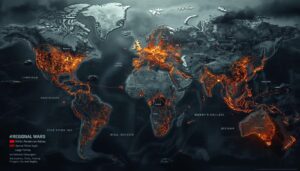

Rising global conflicts are reshaping security and international political stability today. Governments across regions face disputes that affect diplomacy, trade, defense planning, and cooperation. These conflicts influence alliances, policy decisions, and global governance. As tensions increase, leaders rely on diplomacy, deterrence, and negotiation to manage risk and maintain stability.
Conflicts today involve territorial disputes, political disagreements, competition over resources, and strategic influence. These issues affect both regional and global security frameworks. Governments respond by strengthening defense cooperation, revising policies, and engaging in dialogue. These developments shape international relations and influence economic conditions.
Global conflicts also affect civilian populations. Displacement, supply disruptions, and economic uncertainty impact communities. International organizations and governments work to address these challenges through diplomatic engagement and humanitarian support.
This article explores rising global conflicts and their impact on security and international political stability today. It examines regional developments, diplomatic responses, economic implications, and future outlook.
Understanding Rising Global Conflicts
Global conflicts emerge from various factors. Territorial disputes, governance challenges, and competition for resources contribute to tension. These conflicts may occur between states or within states. International involvement often shapes outcomes.
Political differences also contribute to conflict. Governments hold differing views on governance and policy. These differences lead to diplomatic disputes and competition.
Economic pressure can also create conflict. Trade restrictions and sanctions influence relations. Governments use economic tools to advance interests.
Technology and cyber issues form another dimension. Cyber incidents create tension between states. Governments respond by strengthening cybersecurity and cooperation.
Regional Conflicts in Europe
Europe continues to experience tension linked to territorial disputes and security concerns. Governments engage in diplomatic efforts to reduce risk. Military presence in certain areas reflects security planning.
Regional organizations facilitate dialogue. These efforts aim to prevent escalation. Diplomatic negotiations focus on ceasefire arrangements and political settlement.
Energy supply plays a role in European conflicts. Governments seek cooperation to ensure stability. Diplomatic engagement supports these efforts.
Economic implications also arise. Trade and investment depend on stability. Governments monitor developments.
Conflicts in the Middle East
The Middle East remains a region affected by political and territorial disputes. Governments and regional actors engage in diplomatic negotiations. These talks aim to reduce tension and promote stability.
Security challenges include armed groups and governance issues. Diplomatic efforts focus on ceasefire agreements and political dialogue.
Energy resources influence conflict dynamics. Governments seek cooperation to stabilize supply. Diplomacy supports negotiation.
Humanitarian concerns remain significant. Displacement and access to services require coordination. International organizations support diplomatic efforts.
Conflicts in Asia
Asia hosts several disputes involving borders and maritime claims. Governments engage in diplomatic dialogue to manage tension. Regional forums provide platforms for discussion.
Trade and economic cooperation also influence stability. Governments pursue agreements to reduce friction. Diplomacy supports these initiatives.
Military planning reflects security concerns. Governments coordinate with allies. Diplomatic engagement remains central.
Technology competition also shapes relations. Governments negotiate frameworks for cooperation.
Conflicts in Africa
Africa faces conflicts linked to governance, resources, and territorial disputes. Regional organizations lead peace initiatives. Governments engage in negotiations.
Diplomatic mediation supports conflict resolution. These talks focus on ceasefire agreements and political settlement.
Humanitarian concerns drive engagement. International organizations coordinate aid. Diplomacy supports cooperation.
Economic development also plays a role. Governments seek investment and infrastructure projects.
Conflicts in Latin America
Latin America experiences political and social conflict in certain regions. Governments engage in dialogue and negotiation. Regional organizations facilitate cooperation.
Economic stability forms part of discussions. Governments seek reforms and cooperation.
Diplomatic engagement supports peace initiatives.
Impact on International Political Stability
Rising conflicts influence international political stability. Governments adjust alliances and policies. Diplomatic relations evolve.
International institutions play a role in maintaining stability. These organizations facilitate dialogue.
Political stability depends on cooperation. Governments work to manage risk.
Security Implications
Security implications include defense planning and cooperation. Governments strengthen partnerships. Military coordination increases.
Confidence-building measures support stability. Diplomacy remains central.
Economic Implications of Rising Conflicts
Conflicts affect trade and investment. Markets respond to uncertainty. Governments monitor developments.
Supply chains may face disruption. Businesses adapt to changes.
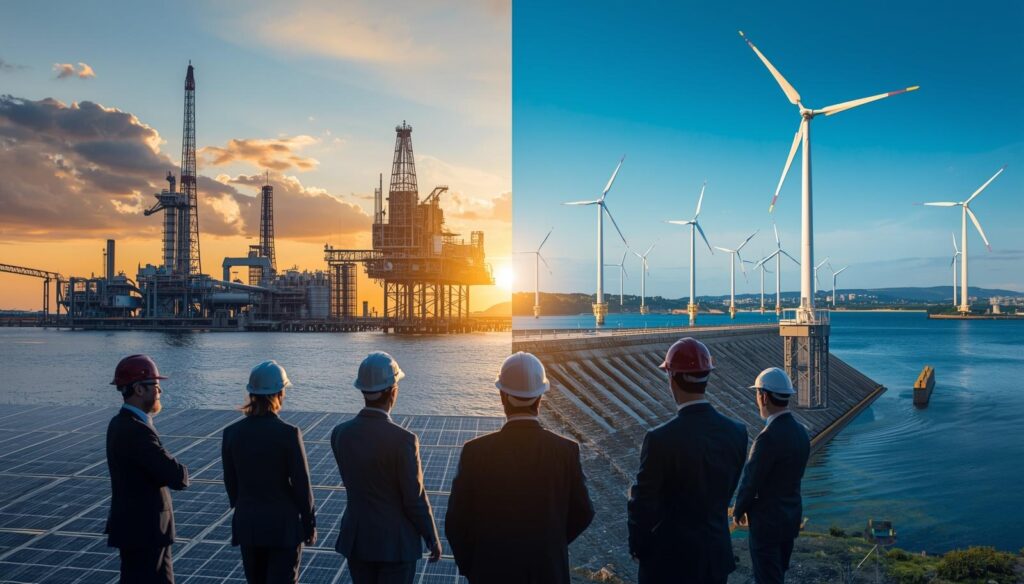
Energy prices may fluctuate. Governments coordinate policies.
Diplomatic Responses to Global Conflicts
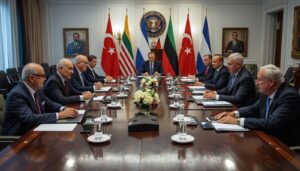
Diplomatic engagement remains a key response. Governments hold talks and negotiations.
Mediators support dialogue. International organizations provide platforms.
Confidence-building measures reduce tension.
Role of International Organizations
International organizations support conflict resolution. These institutions provide mediation and coordination.
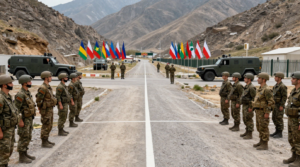
Peacekeeping missions support stability. Monitoring teams track agreements.
Humanitarian agencies coordinate aid.
Technology and Modern Conflict
Technology shapes modern conflict. Cyber incidents create tension. Governments strengthen cybersecurity.
Digital communication supports diplomacy. Technology also introduces challenges.
Humanitarian Impact of Rising Conflicts
Conflicts affect civilian populations. Displacement and economic disruption occur. Governments and organizations respond.
Humanitarian diplomacy supports aid delivery.
Future Outlook
Rising global conflicts will continue to shape security and political stability. Governments will rely on diplomacy and cooperation.
Regional organizations will play a role. Technology and economic factors will influence outcomes.
Diplomatic engagement remains essential.