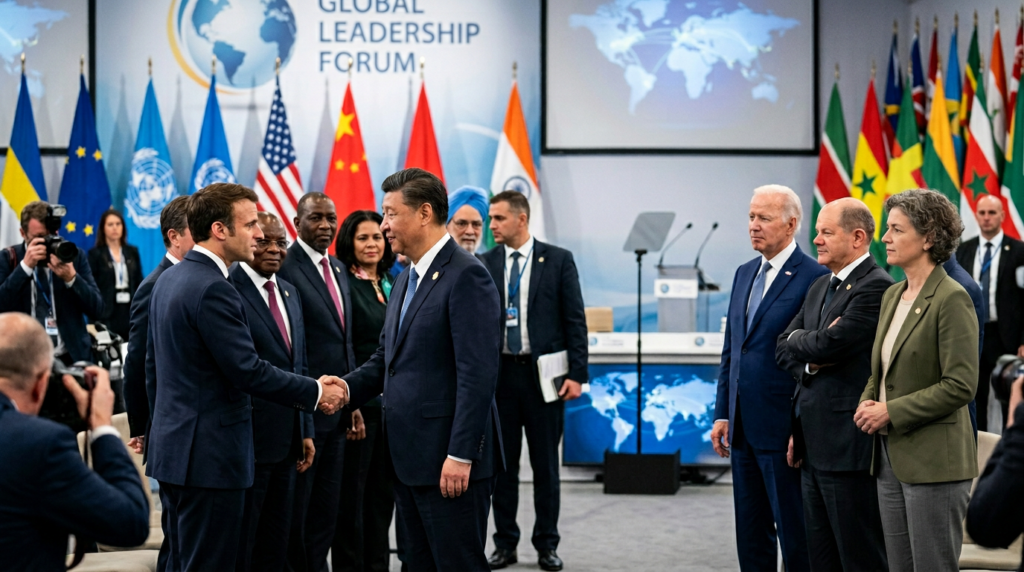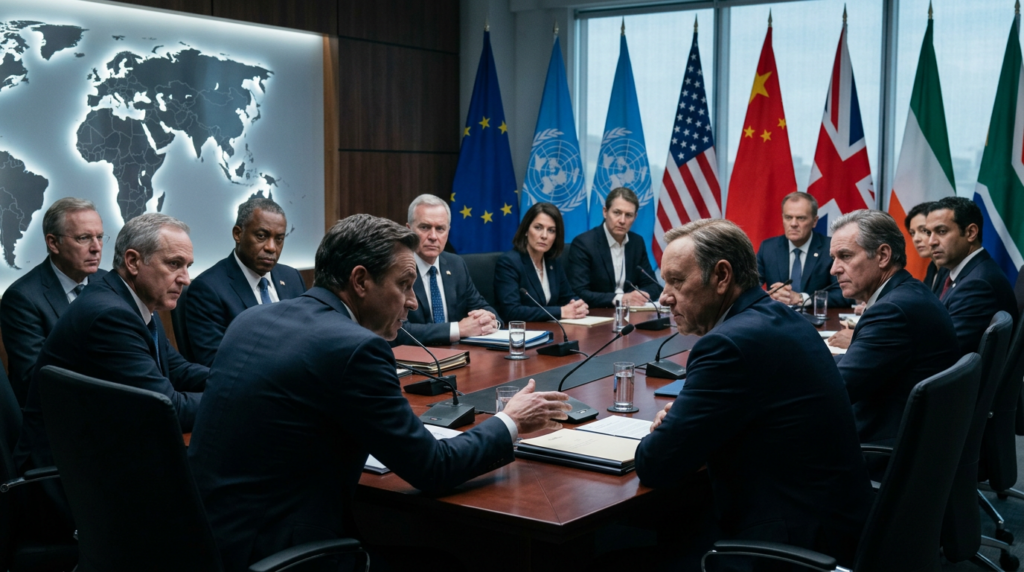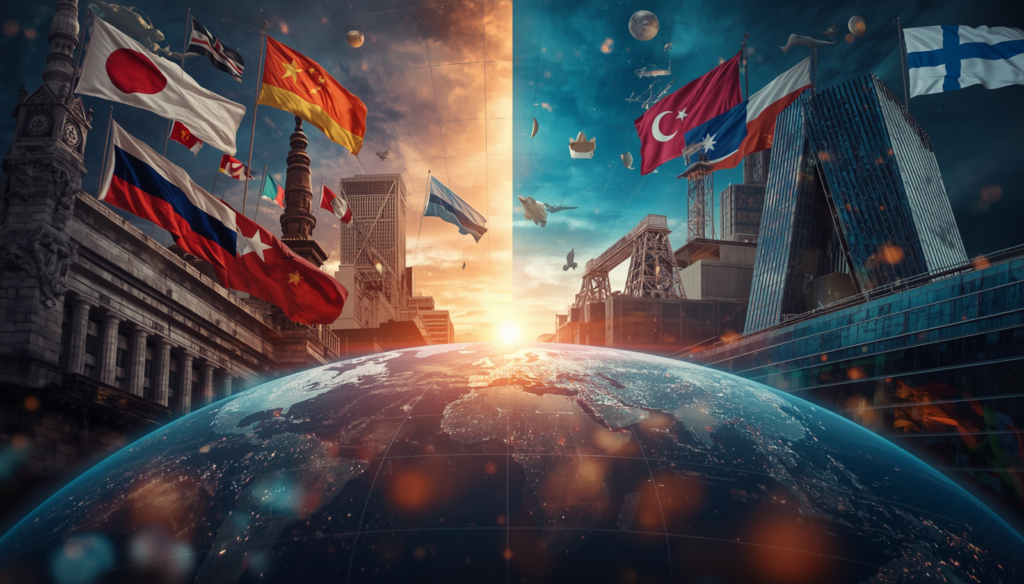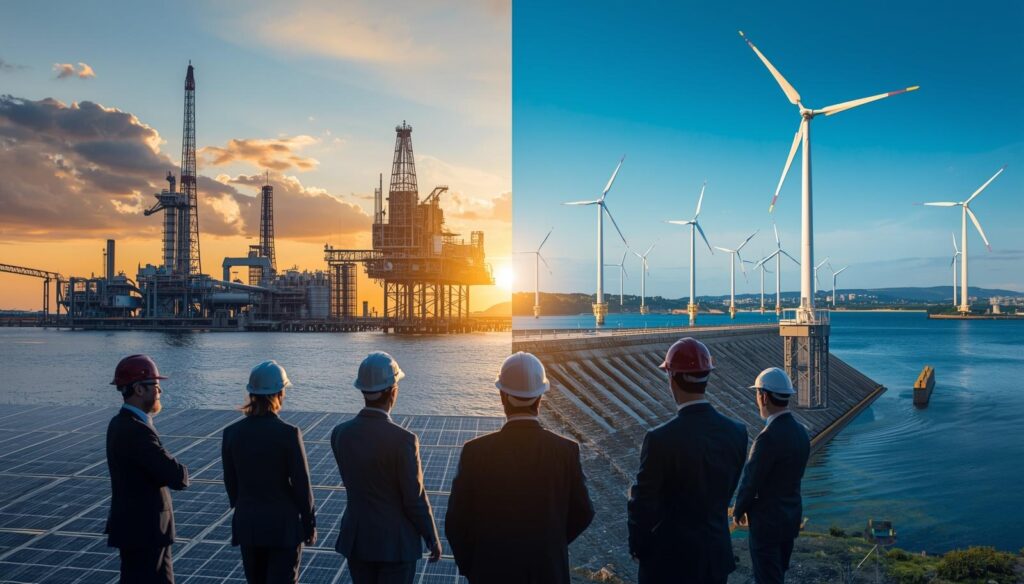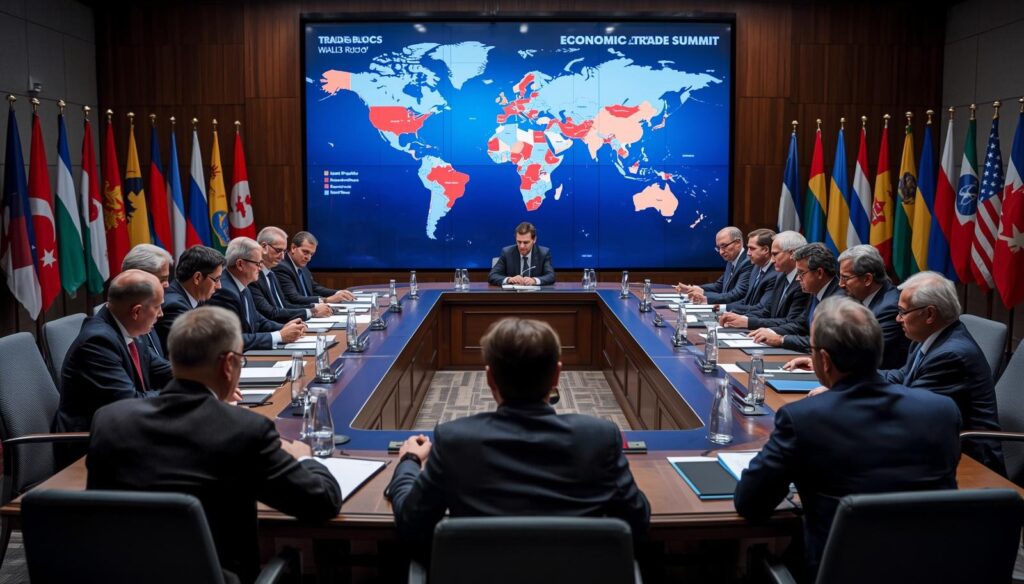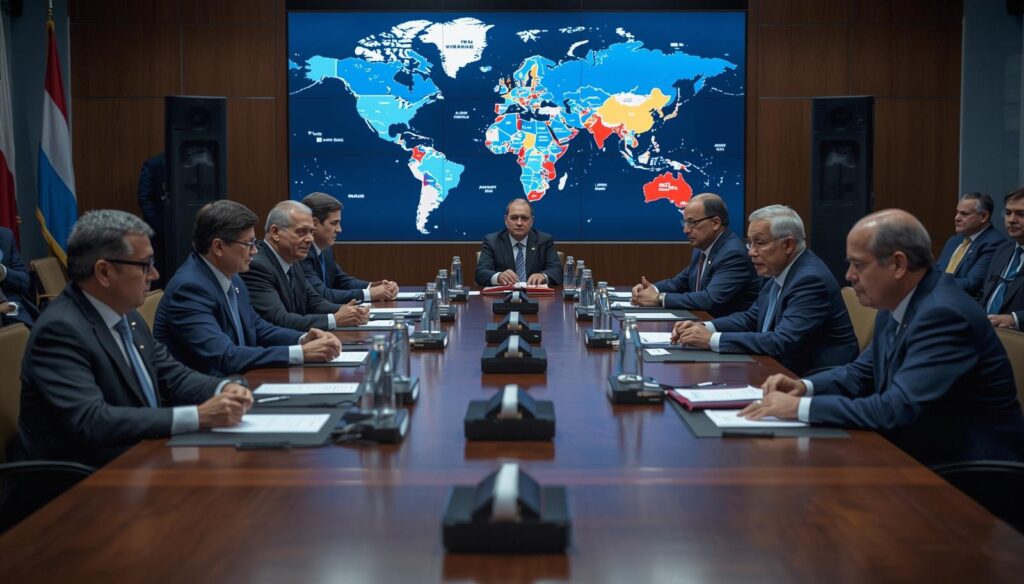
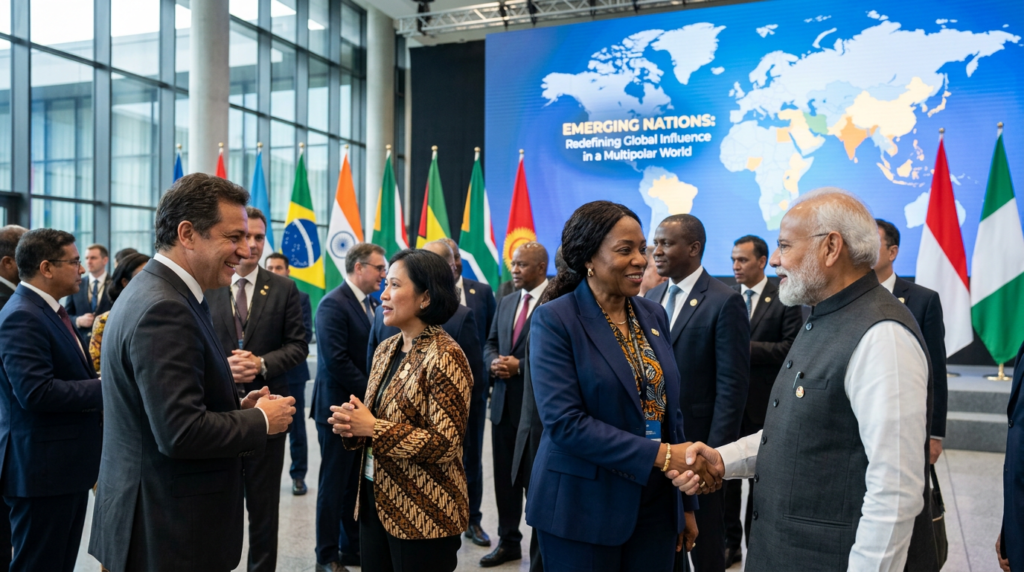
The global order is changing as rising superpowers gain influence across economic, political, and military domains. These developments reshape international relations and create new partnerships among nations. Countries that once played limited roles in global decision making now participate in shaping trade, diplomacy, and security.
Western dominance shaped global systems for decades. Institutions, financial structures, and alliances developed under Western leadership. However, rising superpowers are introducing new approaches and forming alternative partnerships. This transition is changing the balance of influence across regions.
This article examines how rising superpowers challenge Western dominance, the causes behind these changes, and the effects on international relations and global governance.
Understanding Western Dominance
Western dominance refers to the influence held by Western countries in global affairs. This influence developed through economic expansion, military alliances, and international institutions.
Western dominance included:
Control of global financial systems
Leadership in international institutions
Military alliances and security partnerships
Influence in global trade agreements
Technological development leadership
For decades, Western countries shaped global policies and economic systems. Many international rules were created under this influence.
Emergence Of Rising Superpowers
Rising superpowers are countries gaining economic strength, political influence, and technological capability. These nations participate in shaping global policies and forming new alliances.
Factors contributing to rising superpowers include:
Economic growth
Industrial expansion
Population size
Resource availability
Technology investment
These factors allow countries to expand their influence in global decision making.
Economic Growth And Global Influence
Economic growth is one of the strongest drivers of global power shifts. Countries with expanding economies gain influence in trade and investment.
Economic influence includes:
Trade partnerships
Infrastructure investment
Currency influence
Financial cooperation
Development projects
Rising superpowers use economic partnerships to strengthen global relationships.
Trade Networks And Global Expansion
Trade networks connect countries through supply chains and investment. Rising superpowers expand trade agreements and infrastructure development.
Trade expansion includes:
Regional trade agreements
Infrastructure projects
Export growth
Import diversification
These developments increase global economic integration.
Technology And Innovation Competition
Technology influences global power. Rising superpowers invest in digital infrastructure, research, and manufacturing.
Technology sectors influencing power shifts include:
Artificial intelligence
Telecommunications
Space exploration
Cybersecurity
Renewable energy
Technology investment strengthens national capability and global influence.
Military Development And Strategic Balance
Military capability remains part of global power. Rising superpowers increase defense investment and expand cooperation.
Military influence includes:
Defense modernization
Joint exercises
Security partnerships
Regional stability initiatives
These developments influence global security arrangements.
Regional Influence Of Rising Superpowers
Rising superpowers expand influence within regions and beyond.
Asia
Countries in Asia increase trade and investment across continents. Regional partnerships support economic integration.
Middle East
Energy resources and investment partnerships increase influence.
Africa
Infrastructure projects and trade partnerships strengthen relationships.
Latin America
Economic cooperation and development initiatives expand partnerships.
These regional developments contribute to global power shifts.
Changing Strategic Alliances
Strategic alliances evolve as rising superpowers gain influence. Countries form partnerships based on economic and security interests.
New alliances include:
Trade partnerships
Security cooperation
Technology collaboration
Infrastructure investment
These alliances reshape global relationships.
Role Of International Institutions
International institutions manage global cooperation. Rising superpowers seek greater participation in these organizations.
Institutions include:
United Nations
World Trade Organization
International Monetary Fund
Regional organizations
Participation in institutions increases influence.
Financial Systems And Economic Influence
Financial systems play a role in global power. Rising superpowers develop alternative financial structures and partnerships.
Financial influence includes:
Development banks
Investment funds
Currency agreements
Trade financing
These mechanisms support economic expansion.
Energy And Resource Competition
Energy resources influence global relations. Rising superpowers invest in energy production and infrastructure.
Energy factors include:
Oil and gas production
Renewable energy investment
Energy transport routes
Resource agreements
Energy cooperation shapes alliances.
Diplomacy And Global Relations
Diplomacy supports partnerships and negotiations. Rising superpowers expand diplomatic networks and international engagement.
Diplomatic strategies include:
Bilateral agreements
Multilateral forums
Economic diplomacy
Cultural exchange
These strategies increase global participation.
Economic Interdependence
Countries rely on each other for trade and investment. Rising superpowers increase global economic interdependence.
Interdependence includes:
Supply chains
Investment partnerships
Resource trade
These connections influence diplomacy.
Challenges To Western Dominance
Rising superpowers challenge Western dominance through:
Economic growth
Technology investment
Regional partnerships
Alternative institutions
These developments shift global influence.
Opportunities In Changing Global Order
Global power shifts create opportunities:
New trade partnerships
Infrastructure development
Technology cooperation
Investment expansion
These opportunities shape international relations.
Security Concerns And Cooperation
Security challenges influence alliances. Countries cooperate to manage shared risks.
Security cooperation includes:
Maritime security
Cybersecurity
Counterterrorism
Peacekeeping
Joint efforts support stability.
Global Governance And Cooperation
Global governance evolves with power shifts. Countries collaborate on shared issues.
Examples:
Climate cooperation
Health coordination
Economic stability
Cooperation supports global stability.
Future Of Rising Superpowers
Future developments include:
Continued economic growth
Technology advancement
Population growth
Infrastructure expansion
These factors influence global power.
Impact On International Relations
Rising superpowers reshape:
Trade relations
Security partnerships
Diplomatic engagement
Economic cooperation
International relations evolve accordingly.
Strategic Competition And Cooperation
Competition and cooperation occur simultaneously. Countries balance interests through diplomacy.
This balance shapes global order.
Role Of Leadership And Policy
Government decisions influence foreign policy. Leaders shape strategies based on national priorities.
Policy areas include:
Economic growth
Security cooperation
Technology development
Leadership influences global relations.
Challenges In Power Transition
Power transitions create:
Trade disputes
Diplomatic tensions
Security concerns
Countries manage these through negotiation.
Long-Term Global Order Changes
The global order continues to change as rising superpowers gain influence. Alliances evolve and new partnerships emerge.