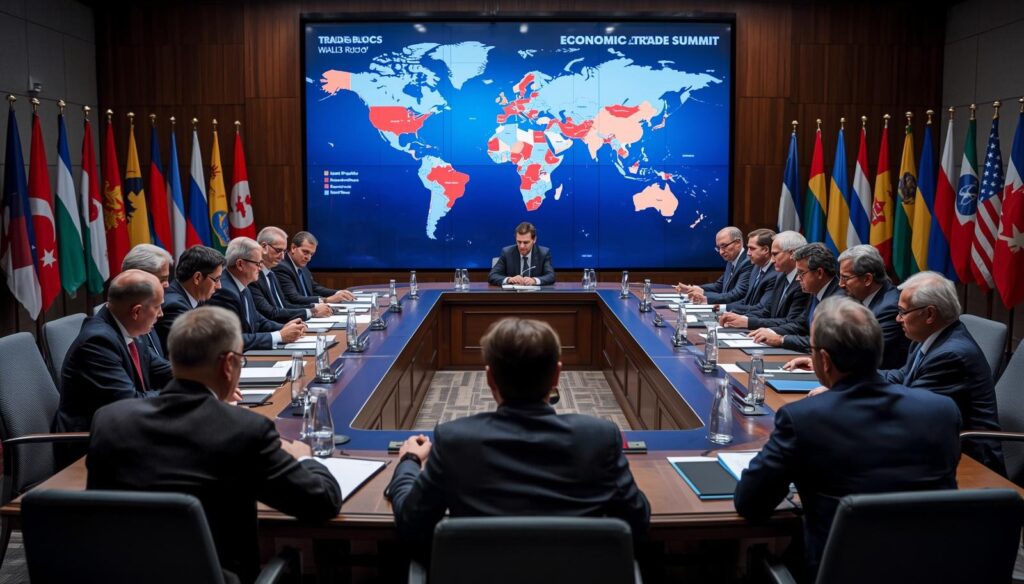

Sanctions and tariffs continue to reshape economic politics across emerging markets worldwide. Governments use these tools to influence trade relations, protect domestic industries, and respond to political disputes. These measures affect global commerce, investment flows, and diplomatic engagement.
Emerging markets play a growing role in global trade. These economies rely on exports, imports, and foreign investment. When sanctions or tariffs are applied, economic conditions change. Governments adjust policies to respond to these changes.
Sanctions restrict trade or financial transactions with specific countries or entities. Tariffs increase the cost of imported goods. Both tools influence international relations and economic decisions.
This article explores how sanctions and tariffs are reshaping economic politics across emerging markets worldwide. It examines causes, regional effects, trade responses, diplomatic reactions, and future outlook.
Understanding Sanctions and Tariffs
Sanctions are policy tools used by governments to restrict economic activity with other countries. These restrictions may target trade, finance, or specific sectors.
Tariffs are taxes applied to imported goods. Governments use tariffs to regulate trade and protect domestic industries.
Both tools influence economic relations between countries. They are used during political disagreements or strategic competition.
Sanctions and tariffs affect businesses, governments, and consumers. They influence pricing, supply chains, and investment decisions.
Economic Politics in Emerging Markets
Economic politics refers to government decisions that influence trade, investment, and financial systems. Emerging markets are especially sensitive to these decisions.
These economies depend on international trade and foreign investment. Policy changes in other countries affect their growth.
Governments in emerging markets respond by adjusting trade policies. They seek new partnerships and diversify markets.
Economic politics in these regions involve balancing domestic needs with global relations.
Impact of Sanctions on Emerging Markets
Sanctions affect emerging markets by restricting access to goods, services, and financial systems. These restrictions influence trade and investment.
Businesses may face difficulty accessing international markets. Financial transactions may be limited.
Supply chains may be disrupted. Companies adjust sourcing strategies.
Governments respond by seeking alternative partnerships. Regional cooperation becomes more important.
Sanctions also influence currency stability. Exchange rates may fluctuate due to reduced trade.
Impact of Tariffs on Emerging Markets
Tariffs increase the cost of imported goods. This affects industries that rely on foreign materials.
Exporters in emerging markets may face reduced demand in foreign markets. Trade volumes may change.
Tariffs influence consumer prices. Domestic markets adjust to new cost structures.
Governments may negotiate trade agreements to reduce tariffs. These negotiations shape economic relations.
Regional Effects in Asia
Asia includes many emerging markets that depend on trade. Sanctions and tariffs influence manufacturing and export sectors.
Countries in the region adjust supply chains. Businesses seek alternative markets.
Regional trade agreements support economic stability. Governments coordinate policies.
Technology and manufacturing industries are affected by trade restrictions.
Regional Effects in Africa
African emerging markets rely on resource exports and foreign investment. Sanctions and tariffs influence trade flows.
Governments seek new trade partners. Regional cooperation increases.
Infrastructure development becomes important for economic stability.
Commodity prices affect economic conditions.
Regional Effects in Latin America
Latin American economies are affected by trade restrictions and tariffs. Export industries adjust to market changes.
Governments negotiate trade agreements. Regional organizations support cooperation.
Agricultural and resource sectors are impacted by global trade policies.
Economic diversification becomes a priority.
Regional Effects in the Middle East
Middle Eastern emerging markets are influenced by energy trade and investment flows. Sanctions affect financial systems and trade relations.
Governments adjust economic strategies. Energy exports play a central role.
Trade partnerships influence regional stability.
Diplomatic engagement supports economic cooperation.
Role of Trade Agreements
Trade agreements help emerging markets manage the impact of sanctions and tariffs. These agreements reduce trade barriers.
Governments negotiate bilateral and regional deals. These agreements support market access.
Trade agreements promote economic cooperation. They help stabilize supply chains.
International organizations support trade negotiations.
Supply Chain Adjustments
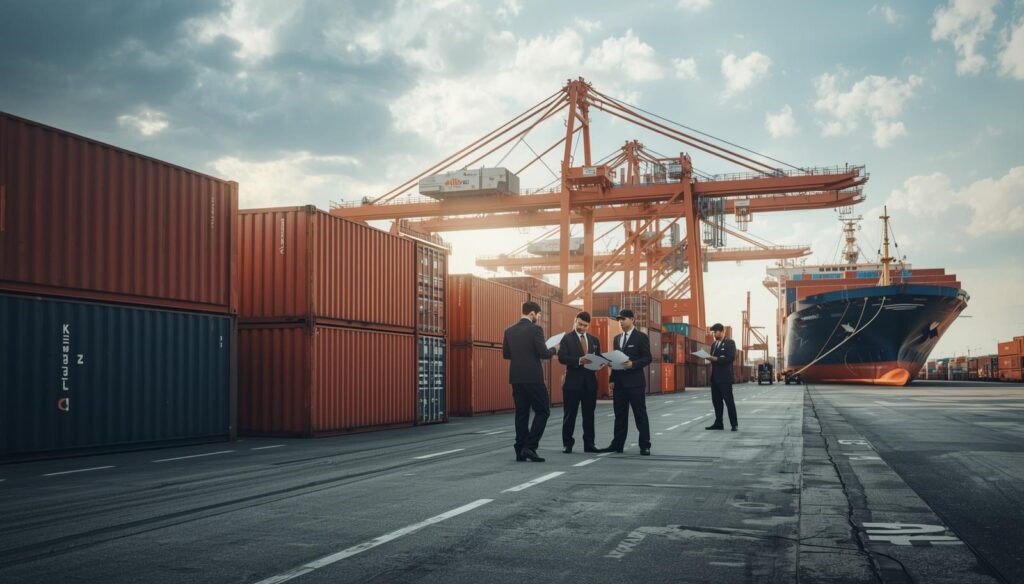
Sanctions and tariffs affect global supply chains. Companies adjust sourcing and production locations.
Emerging markets may benefit from shifts in supply chains. New investment opportunities arise.
Logistics networks adapt to policy changes.
Businesses diversify suppliers to reduce risk.
Financial System Impact
Financial systems in emerging markets respond to sanctions and tariffs. Investment flows may change.
Banks and financial institutions adjust operations. Governments monitor capital movement.
Currency markets react to trade policies.
Economic stability depends on financial coordination.
Diplomatic Responses
Diplomatic engagement plays a key role in managing sanctions and tariffs. Governments hold negotiations to resolve disputes.
International organizations provide platforms for dialogue. Mediation supports cooperation.
Countries seek agreements to reduce trade restrictions.
Diplomacy influences economic outcomes.
Technology and Economic Politics
Technology influences economic politics in emerging markets. Digital trade and services are affected by policy changes.
Sanctions may restrict access to technology. Governments respond with domestic development.
Tariffs influence technology imports.
Digital infrastructure becomes part of economic strategy.
Investment Trends in Emerging Markets
Investment patterns shift due to sanctions and tariffs. Investors assess risk before entering markets.
Emerging markets seek foreign direct investment. Governments create incentives.
Economic policies influence investor confidence.
Diversification of investment sources becomes important.
Challenges Facing Emerging Markets
Emerging markets face challenges due to sanctions and tariffs. Trade restrictions affect growth.
Economic dependence on exports creates vulnerability.
Policy uncertainty influences investment.
Governments work to stabilize economies.
Future Outlook
Sanctions and tariffs will continue shaping economic politics across emerging markets worldwide. Governments will adjust trade policies and seek cooperation.
Regional partnerships will grow in importance. Supply chains will continue to evolve.
Diplomatic engagement will remain central to economic relations.
Emerging markets will continue adapting to global economic changes.