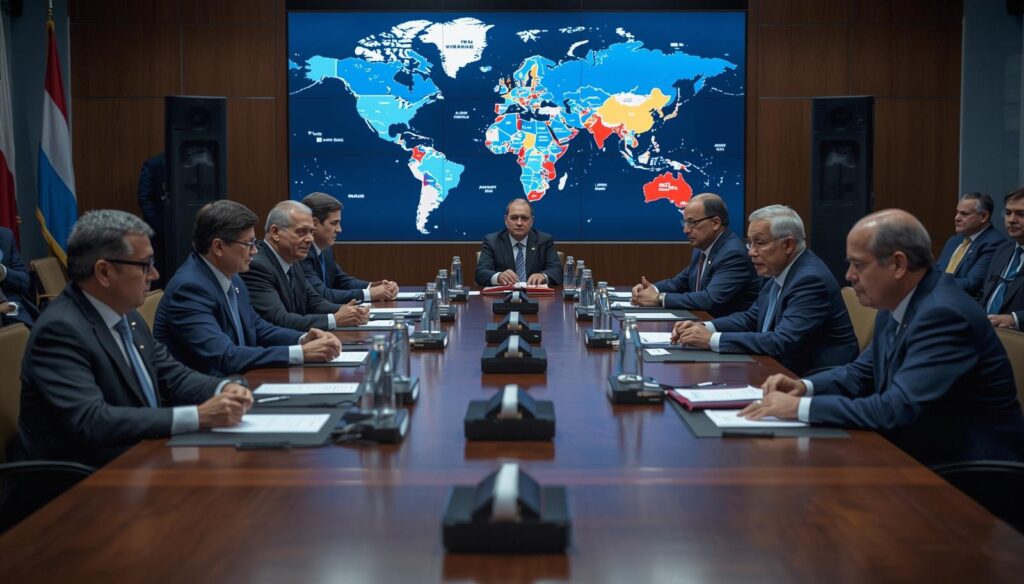
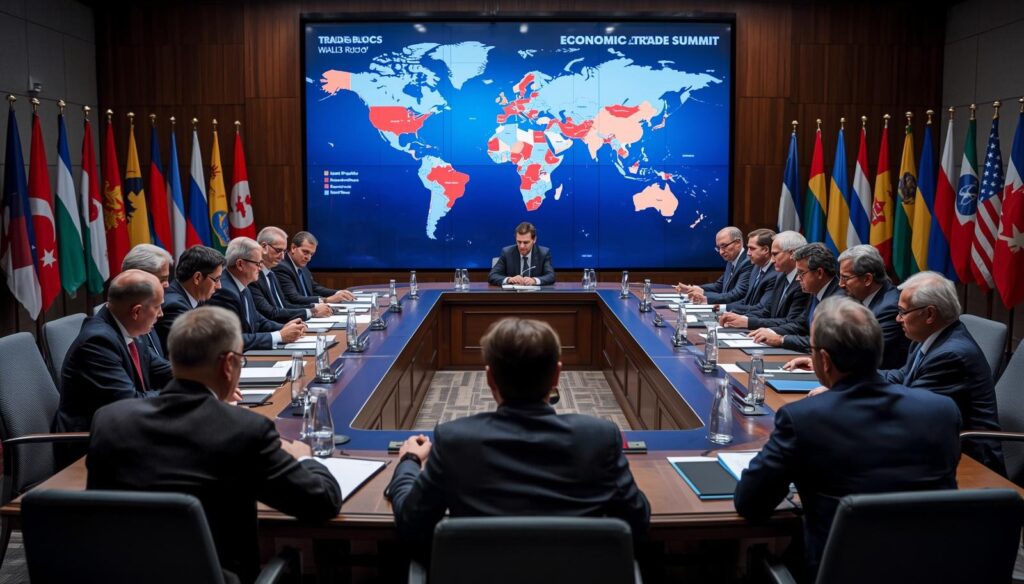

Economic alliances continue to drive political influence in global trade negotiations today. Governments form partnerships to strengthen trade relations, coordinate policies, and improve access to markets. These alliances shape how countries negotiate trade agreements and respond to global economic changes.
Trade negotiations involve discussions on tariffs, market access, regulations, and investment rules. Economic alliances influence these discussions by creating unified positions among member states. This coordination increases bargaining power in global forums.
Countries join economic alliances to improve trade opportunities and political influence. These alliances include regional trade groups, economic unions, and bilateral partnerships. They play a key role in shaping global trade systems.
This article explores how economic alliances drive political influence in global trade negotiations today. It examines structure, regional examples, negotiation processes, economic effects, and future outlook.
Understanding Economic Alliances
Economic alliances are agreements between countries to cooperate on trade and economic policy. These alliances aim to reduce barriers and improve market access.
Members of economic alliances coordinate policies on tariffs, regulations, and investment. This coordination supports trade stability.
Economic alliances also influence political decisions. Member countries often present unified positions in international negotiations.
These alliances may include regional groups or global partnerships. Each structure supports economic cooperation.
Role of Economic Alliances in Trade Negotiations
Economic alliances play a central role in trade negotiations. Member countries coordinate their positions before engaging in talks.
This coordination increases bargaining power. Countries within alliances can negotiate as a group.
Trade negotiations include discussions on tariffs, quotas, and regulations. Economic alliances help align these policies.
Alliances also support dispute resolution. Member states work together to address trade conflicts.
Regional Economic Alliances in Europe
Europe contains one of the most structured economic alliances in the world. Countries coordinate trade policies through shared institutions.
Trade negotiations in Europe involve collective decision making. Member states follow common rules.
Economic cooperation includes goods, services, and labor movement. These arrangements influence global trade.
European alliances also engage in external trade negotiations with other regions.
Economic Alliances in Asia
Asia includes several economic alliances that influence global trade. These alliances support trade integration and investment.
Countries in Asia coordinate manufacturing and supply chains. This coordination supports exports.
Trade agreements in the region focus on reducing tariffs and improving market access.
Economic alliances in Asia influence global production networks.
Economic Alliances in Africa
Africa is developing regional economic alliances to improve trade integration. These alliances focus on infrastructure and market access.
Countries coordinate policies to support regional trade. Economic cooperation supports development.
Trade agreements within Africa aim to reduce barriers between countries.
Economic alliances support political coordination in trade negotiations.
Economic Alliances in the Americas
The Americas include regional trade agreements that influence global negotiations. Countries coordinate trade policies through alliances.
These alliances support agricultural, manufacturing, and energy trade.
Trade negotiations in the region involve collective bargaining. Member states coordinate positions.
Economic alliances influence relations with other global regions.
Political Influence Through Economic Alliances
Economic alliances increase political influence in global trade negotiations. Countries within alliances present unified positions.
This unity strengthens negotiation outcomes. Larger groups have greater influence in trade discussions.
Political influence extends beyond trade. Alliances also affect diplomatic relations.
Member states coordinate foreign policy in some cases.
Trade Negotiation Process in Alliances
Trade negotiations within alliances follow structured processes. Member countries discuss positions before international talks.
Negotiations include legal frameworks and economic analysis. Governments review policy impacts.
Consensus building is important. Member states must agree on positions.
After internal agreement, alliances present unified proposals in global forums.
Economic Impact of Alliances
Economic alliances influence trade flows. Reduced barriers increase exchange between member countries.
Supply chains become more integrated. Businesses operate across borders.
Investment increases within alliances. Investors gain access to larger markets.
Economic growth is influenced by cooperation.
Supply Chain Coordination
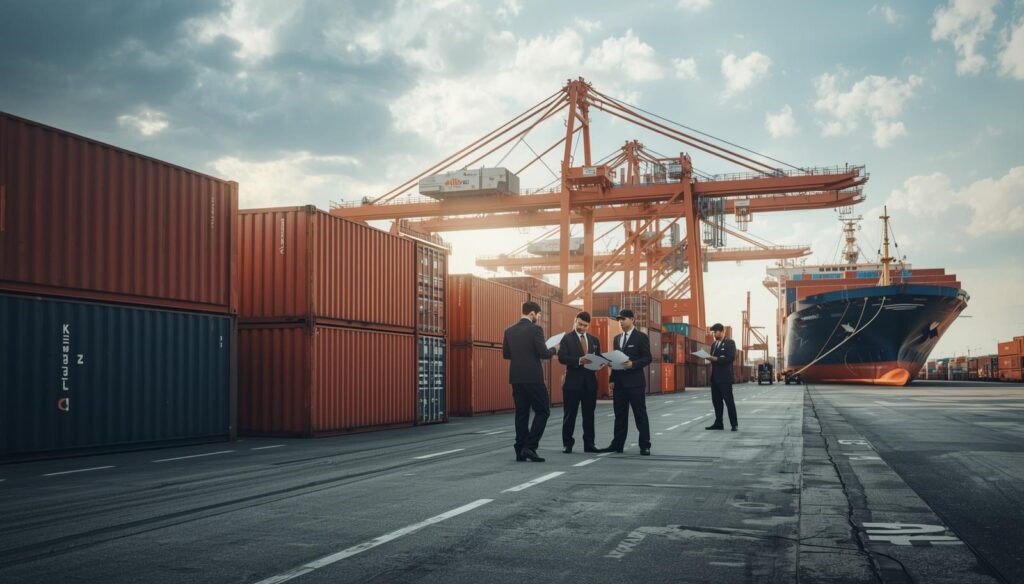
Economic alliances support supply chain coordination. Member countries align production and logistics.
Trade flows become more efficient. Businesses reduce costs.
Supply chain resilience improves through cooperation.
Global trade networks depend on these arrangements.
Role of International Organizations
International organizations support economic alliances. These institutions provide frameworks for negotiation.
Trade rules are established through global agreements. Alliances operate within these systems.
Dispute resolution mechanisms support stability.
International cooperation strengthens trade systems.
Technology and Trade Alliances
Technology plays a role in economic alliances. Digital trade and communication systems support coordination.
Data sharing improves negotiation processes. Governments use technology for analysis.
Cybersecurity also becomes part of trade discussions.
Technology influences global trade systems.
Challenges in Economic Alliances
Economic alliances face challenges in coordination. Member countries may have different interests.
Reaching consensus requires negotiation. Policy differences can slow decisions.
External economic pressures also influence alliances.
Maintaining unity is important for influence.
Future Outlook
Economic alliances will continue shaping global trade negotiations. Countries will expand cooperation.
Trade agreements will evolve with economic changes. Alliances will adjust to new markets.
Political influence will remain linked to economic cooperation.
Global trade systems will depend on alliances.