
Trade wars between superpowers continue to influence global economic growth and stability. Governments use tariffs, sanctions, and trade restrictions as tools in economic competition. These actions affect international markets, supply chains, investment flows, and diplomatic relations. As tensions rise between major economies, the impact spreads across regions and industries.
Trade wars occur when countries impose economic measures against each other in response to policy disagreements. These measures can include import taxes, export controls, and restrictions on technology transfer. Governments use these tools to protect domestic industries and influence trade balance.
Global economic growth depends on stable trade relations. When trade wars occur, businesses face uncertainty. Supply chains adjust, prices change, and investment decisions shift. International organizations monitor these developments and encourage dialogue between countries.
This article explores how trade wars between superpowers influence global economic growth and stability. It examines causes, economic effects, regional impacts, diplomatic responses, and future outlook.
Understanding Trade Wars Between Superpowers
Trade wars between superpowers involve economic competition between major economies. These countries have large markets, strong industries, and global influence. When disagreements arise, economic tools are used instead of military action.
Trade wars begin with policy disputes. These may involve tariffs, market access, intellectual property, or technology transfer. Governments respond with countermeasures.
Tariffs increase the cost of imported goods. Export restrictions limit access to key products. These actions affect industries and consumers.
Trade wars also involve negotiation. Governments seek to resolve disputes while maintaining national interests. Diplomatic channels remain active during economic tension.
Causes of Trade Wars
Several factors contribute to trade wars:
Trade imbalance between countries
Competition in technology sectors
Protection of domestic industries
Disputes over intellectual property
Strategic economic positioning
These factors influence government decisions. Economic policies reflect national priorities.
Technology plays a major role in modern trade wars. Governments compete in areas such as semiconductors, artificial intelligence, and telecommunications.
Resource competition also contributes to tension. Countries seek access to raw materials and energy supplies.
Impact on Global Economic Growth
Trade wars affect global economic growth by disrupting trade flows. Businesses face increased costs and uncertainty. Investment decisions are delayed or adjusted.
Supply chains become less stable. Companies shift production to different regions. This process affects efficiency and cost structure.
Consumer prices may increase due to tariffs. Imported goods become more expensive. This influences demand and spending.
Global trade volume may decline during trade wars. Economic growth slows in affected regions.
International organizations monitor these changes and provide data for policy decisions.
Impact on International Markets
Financial markets respond to trade wars. Stock prices fluctuate based on policy announcements. Investors adjust portfolios.
Currency markets also react. Exchange rates change in response to economic conditions.
Commodity markets are affected by trade restrictions. Prices of metals, energy, and agricultural products may change.
Market uncertainty influences investment decisions. Businesses adopt cautious strategies.
Trade Wars and Supply Chain Disruption
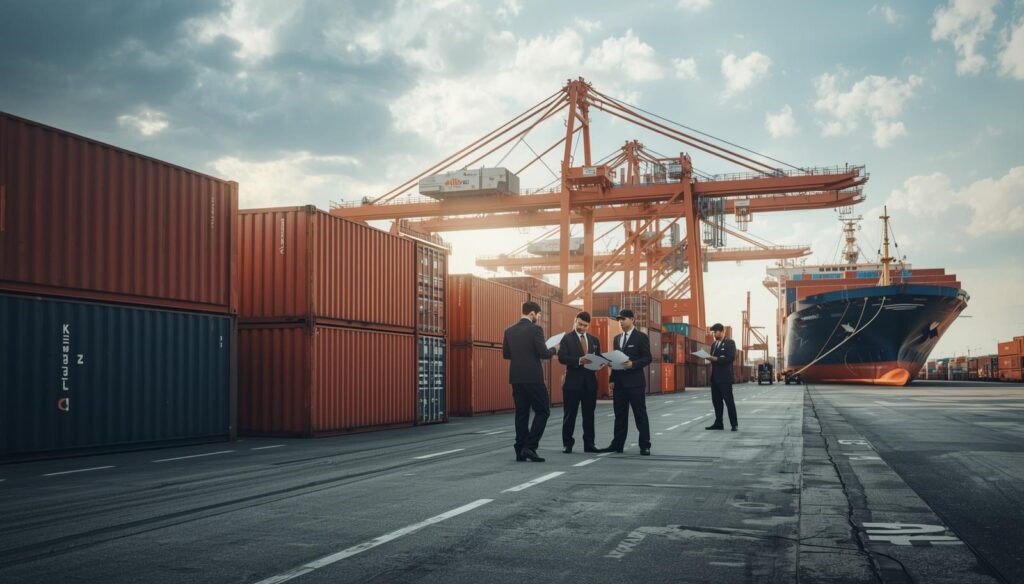
Global supply chains depend on stable trade relations. Trade wars disrupt these networks.
Companies may relocate production to avoid tariffs. This process affects logistics and costs.
Manufacturing industries are especially affected. Components sourced from different countries face delays.
Technology supply chains also experience disruption. Restrictions on exports affect production.
Businesses seek diversification to reduce risk.
Regional Impact of Trade Wars
Asia
Asia is central to global manufacturing. Trade wars affect production and export systems. Countries adjust supply chains.
Regional cooperation increases as countries seek stability.
Europe
Europe responds to trade wars through policy coordination. Trade agreements help manage impact.
Industries adjust to changes in global demand.
North America
North America experiences direct effects of trade disputes. Cross-border trade is affected.
Businesses adjust operations to manage tariffs.
Latin America
Latin America responds to shifts in commodity demand. Export markets adjust to global conditions.
Africa
Africa experiences indirect effects through commodity prices and investment flows.
Diplomatic Responses to Trade Wars
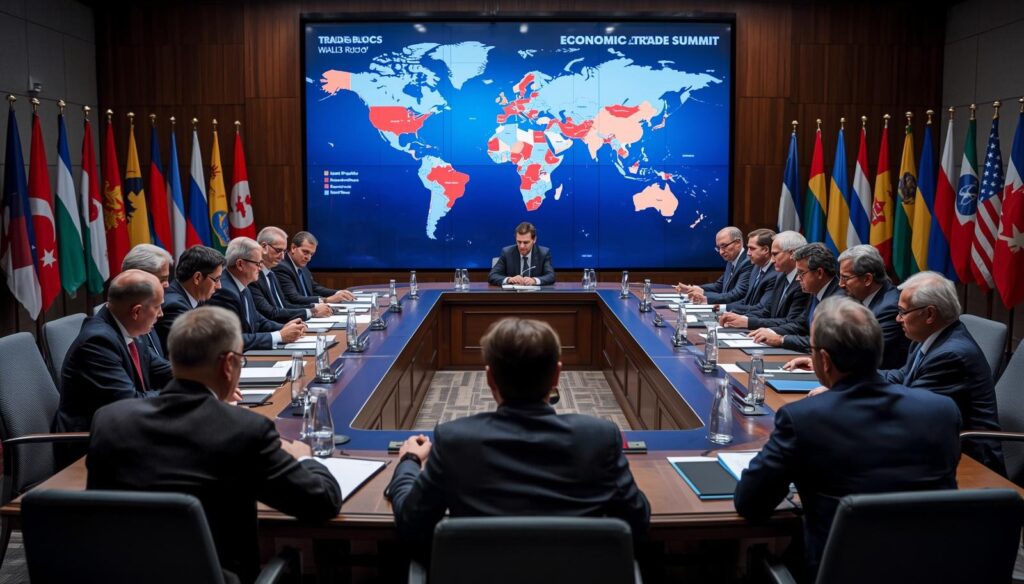
Diplomacy plays a role during trade wars. Governments continue negotiations despite economic tension.
Trade talks focus on resolving disputes and adjusting policies. Agreements may reduce tariffs or adjust rules.
International organizations encourage dialogue. These institutions provide platforms for negotiation.
Bilateral and multilateral talks continue throughout trade conflicts.
Role of International Organizations
International organizations monitor trade disputes. These institutions collect data and provide analysis.
Trade bodies set rules for international commerce. Governments follow these frameworks.
Dispute resolution mechanisms exist within these organizations. Countries can submit cases for review.
Economic institutions support stability through policy guidance.
Technology and Trade Wars
Technology is a central factor in modern trade wars. Countries compete in innovation and digital infrastructure.
Restrictions on technology transfer influence industries. Governments regulate exports of advanced systems.
Cybersecurity also plays a role in economic competition. Digital infrastructure becomes part of trade policy.
Innovation ecosystems are affected by policy decisions.
Investment and Business Response
Businesses respond to trade wars by adjusting strategies. Companies diversify supply chains.
Investment decisions depend on policy stability. Uncertainty reduces investment.
Foreign direct investment may shift between regions. Governments compete for capital.
Businesses engage with policymakers to reduce impact.
Long-Term Economic Effects
Trade wars can have long-term effects on global economy. Supply chains may remain altered even after disputes end.
Economic relationships between countries may change. New trade routes and partnerships form.
Industries adapt to new conditions. Structural changes in production occur.
Economic recovery depends on policy decisions and cooperation.
Future Outlook
Trade wars between superpowers will continue to influence global economic growth and stability. Governments will balance competition and cooperation.
Negotiations will remain part of economic relations. Trade agreements may evolve.
Technology and supply chain resilience will shape future policies.
International cooperation will influence outcomes.