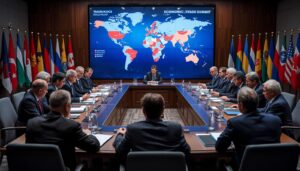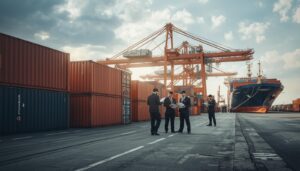

Energy politics continues to transform global economies and strategic economic partnerships worldwide. Governments, corporations, and international organizations are involved in decisions about energy production, distribution, and consumption. These decisions influence trade relations, economic growth, and diplomatic cooperation.
Energy resources such as oil, gas, and electricity remain central to global economic systems. Countries that produce energy and countries that consume energy depend on each other. This relationship shapes international partnerships and political strategies.
Energy politics involves negotiations over supply agreements, infrastructure projects, and pricing systems. Governments use energy policy to secure national interests and strengthen global influence. These policies affect markets and international relations.
This article explores how energy politics transforms global economies and strategic economic partnerships worldwide. It examines supply chains, regional dynamics, economic impact, diplomacy, and future developments.
Understanding Energy Politics
Energy politics refers to government decisions and international negotiations related to energy resources. These include production, distribution, pricing, and regulation.
Countries use energy policy to manage domestic needs and international relations. Energy resources are part of trade agreements and diplomatic strategies.
Energy politics also includes investment in infrastructure. Pipelines, ports, and power systems are part of global energy networks.
Governments coordinate with international partners to ensure energy security.
Role of Energy in Global Economies
Energy supports industrial production, transportation, and household consumption. Economies depend on stable energy supply.
Energy prices influence inflation and economic growth. Changes in supply affect markets.
Countries that produce energy influence global trade systems. Energy exports contribute to national income.
Energy-importing countries depend on stable partnerships to secure supply.
Oil and Gas in International Relations
Oil and gas remain central to energy politics. Countries negotiate supply contracts and pricing agreements.
Energy-producing regions play a key role in global markets. Export policies influence international relations.
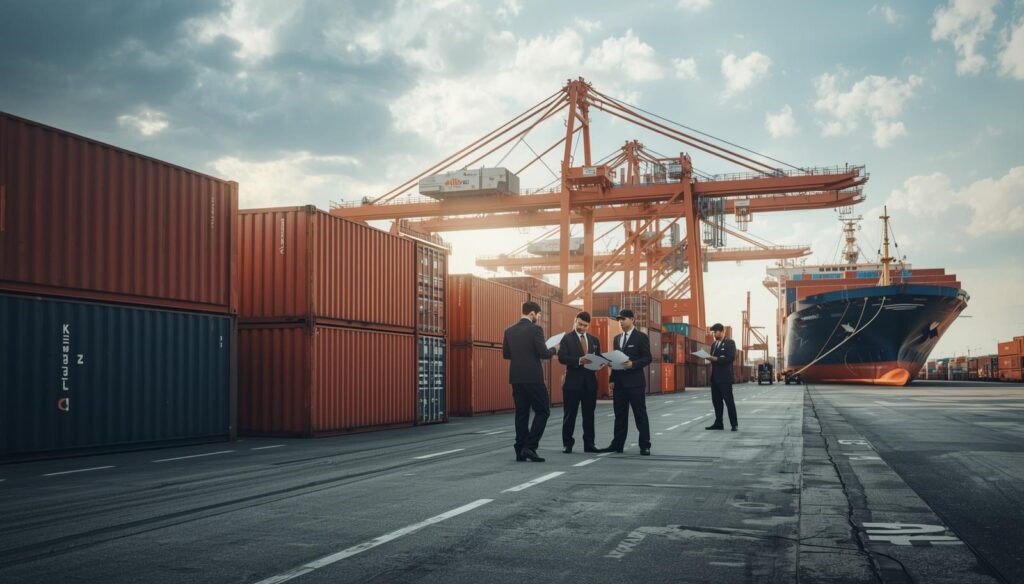
Transport routes for oil and gas affect strategic planning. Pipelines and shipping lanes are important infrastructure.
Energy cooperation supports diplomatic relations between countries.
Renewable Energy and Global Partnerships
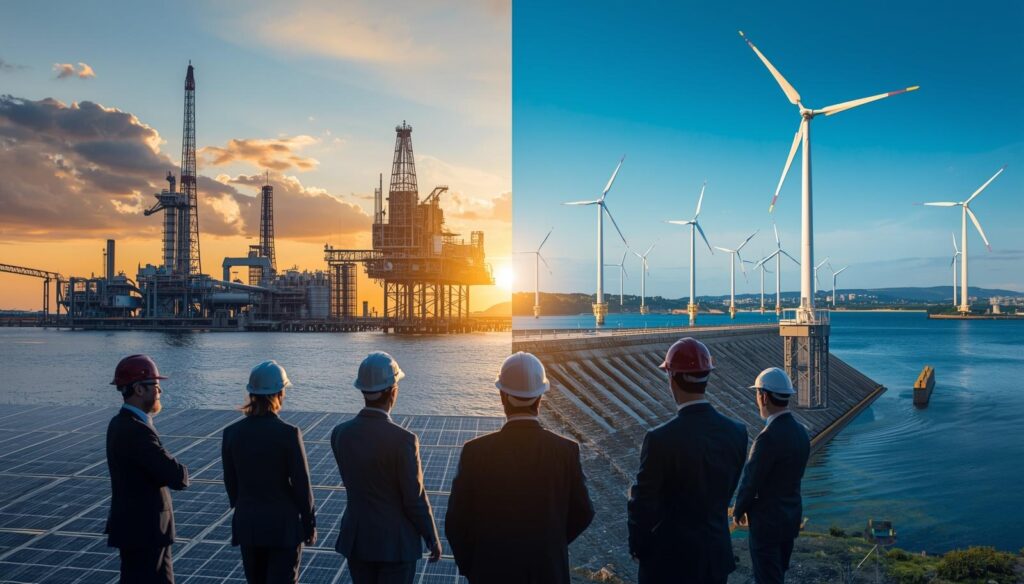
Renewable energy is part of modern energy politics. Countries invest in solar, wind, and hydroelectric systems.
International cooperation supports renewable energy development. Governments share technology and investment.
Renewable energy reduces dependence on traditional fuels. This changes global partnerships.
Energy transition influences trade and economic policies.
Energy Politics in Europe
Europe focuses on energy security and diversification. Countries coordinate energy policies through regional agreements.
Energy supply systems are connected across borders. Cooperation supports stability.
Energy imports influence diplomatic relations. Governments negotiate supply agreements.
Renewable energy investment is increasing in the region.
Energy Politics in Asia
Asia has high energy demand due to industrial growth. Countries import and produce energy in large volumes.
Energy cooperation supports manufacturing and trade. Governments coordinate supply chains.
Regional partnerships influence energy security. Infrastructure projects connect countries.
Energy policy affects economic development in the region.
Energy Politics in the Middle East
The Middle East is a major energy-producing region. Oil and gas exports influence global markets.
Energy politics in the region affects international relations. Countries negotiate supply agreements with global partners.
Energy infrastructure is central to economic systems.
Diplomatic relations are influenced by energy trade.
Energy Politics in Africa
Africa contains energy resources and growing production capacity. Countries develop oil, gas, and renewable projects.
Energy investment supports economic development. International partnerships are important.
Energy access remains a development focus. Governments seek infrastructure expansion.
Energy politics influences regional cooperation.
Energy Politics in the Americas
The Americas include energy producers and consumers. Countries coordinate trade in oil, gas, and renewable energy.
Energy exports influence economic relations. Governments negotiate trade agreements.
Energy infrastructure supports regional integration.
Investment in energy projects affects economic growth.
Strategic Economic Partnerships in Energy
Energy politics creates strategic economic partnerships. Countries form agreements to secure supply.
These partnerships include trade deals and investment projects. Governments coordinate long-term cooperation.
Energy infrastructure projects connect regions. Pipelines and shipping routes support trade.
Partnerships influence global economic systems.
Energy Security and Global Stability
Energy security is a key factor in global stability. Countries aim to ensure reliable supply.
Disruptions in energy supply affect economies. Governments respond with policy measures.
Energy cooperation reduces risk. International agreements support stability.
Energy politics influences diplomatic relations.
Economic Impact of Energy Politics
Energy politics affects economic growth and trade. Energy prices influence production costs.
Industries depend on stable energy supply. Changes in policy affect output.
Investment decisions are influenced by energy stability.
Energy markets respond to geopolitical developments.
Technology and Energy Systems
Technology supports energy production and distribution. Digital systems manage energy networks.
Innovation improves efficiency. Countries invest in energy technology.
Smart grids and monitoring systems support energy management.
Technology influences global energy partnerships.
Challenges in Energy Politics
Energy politics faces challenges related to supply, pricing, and cooperation.
Conflicts over resources affect relations. Governments negotiate agreements.
Transition to renewable energy creates policy adjustments.
Infrastructure development requires investment.
Future Outlook
Energy politics will continue to transform global economies and strategic partnerships. Governments will expand cooperation.
Renewable energy will increase in importance. Traditional energy systems will evolve.
Global partnerships will adapt to changing demand.
Energy policy will remain central to international relations.