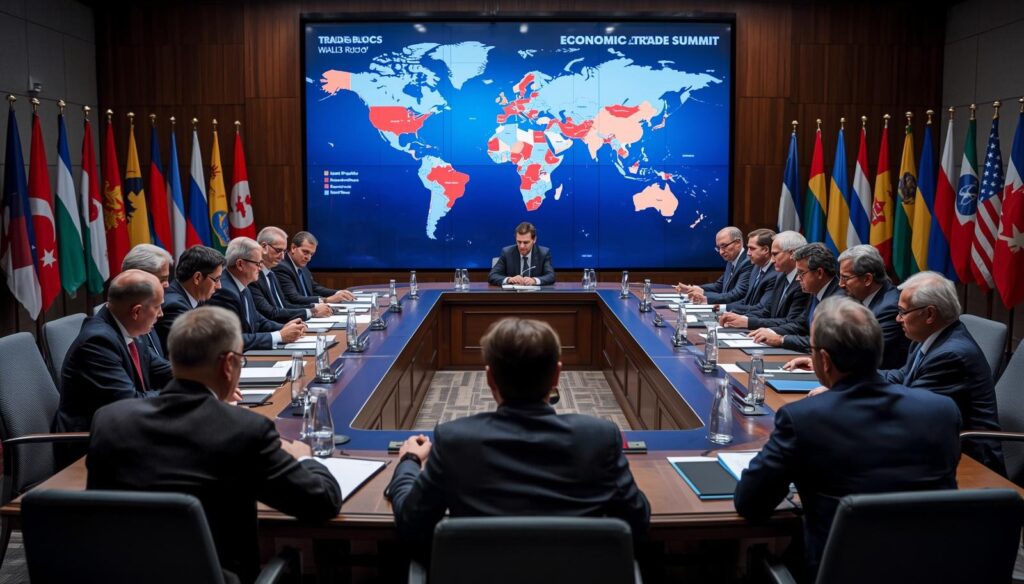
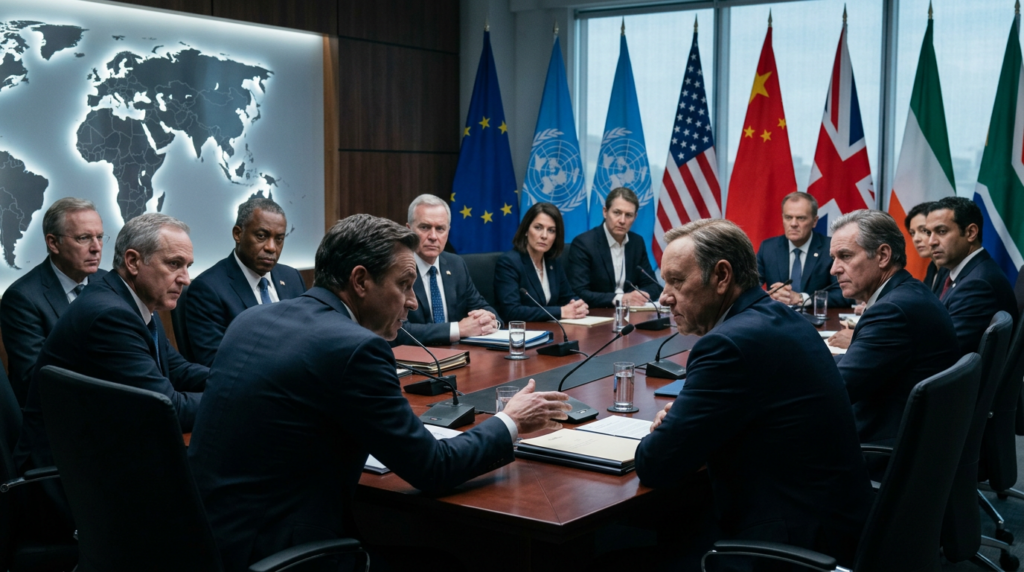

Geopolitical tensions between major powers affect global stability, trade, security, and international relations. These tensions influence diplomatic decisions, military strategies, and economic policies across many regions. Countries respond to changing power dynamics by adjusting alliances and foreign policy approaches.
Major powers play a central role in shaping global order. When relations between them become strained, effects spread across global markets, supply chains, and security systems. This article explains the causes of geopolitical tensions, their impact on global stability, and how countries respond to these changes.
Understanding Geopolitical Tensions
Geopolitical tensions refer to political, economic, or military disagreements between countries with significant global influence. These tensions may involve disputes over territory, trade, technology, or security.
Key areas of tension include:
Trade disputes
Military presence and defense policies
Technological competition
Energy and resource control
Regional influence
These issues affect international cooperation and global stability.
Major Powers In Global Politics
Major powers are countries with strong influence in global affairs. They play a role in shaping international systems, trade networks, and security arrangements.
Characteristics of major powers include:
Large economies
Military capability
Technological development
Diplomatic influence
Global trade participation
Their actions often affect other countries and global systems.
Causes Of Geopolitical Tensions
Geopolitical tensions arise from multiple factors.
Economic Competition
Countries compete for trade, investment, and market access. Economic policies may conflict when national interests differ.
Military Expansion
Military presence in strategic regions can create tension between states.
Technological Rivalry
Competition in technology, including digital systems and artificial intelligence, influences global relations.
Resource Control
Access to energy and natural resources creates strategic competition.
Political Differences
Different governance systems and policy approaches can lead to disagreements.
Trade Disputes Between Major Powers
Trade disputes are a common source of tension. Countries impose tariffs, restrictions, or sanctions to protect domestic industries.
Trade-related issues include:
Import and export restrictions
Tariff policies
Supply chain disruptions
Investment limitations
These actions affect global markets and economic cooperation.
Military Presence And Security Concerns
Military activity plays a role in geopolitical tensions. Countries maintain forces in strategic regions for security and influence.
Security issues include:
Naval presence in international waters
Military alliances
Defense agreements
Border disputes
Military developments influence regional stability and diplomatic relations.
Technology Competition
Technology has become a major factor in global competition. Countries invest in innovation and digital infrastructure to strengthen influence.
Technology-related tensions include:
Semiconductor production
Artificial intelligence development
Cybersecurity concerns
Communication networks
Control of technology affects economic and security systems.
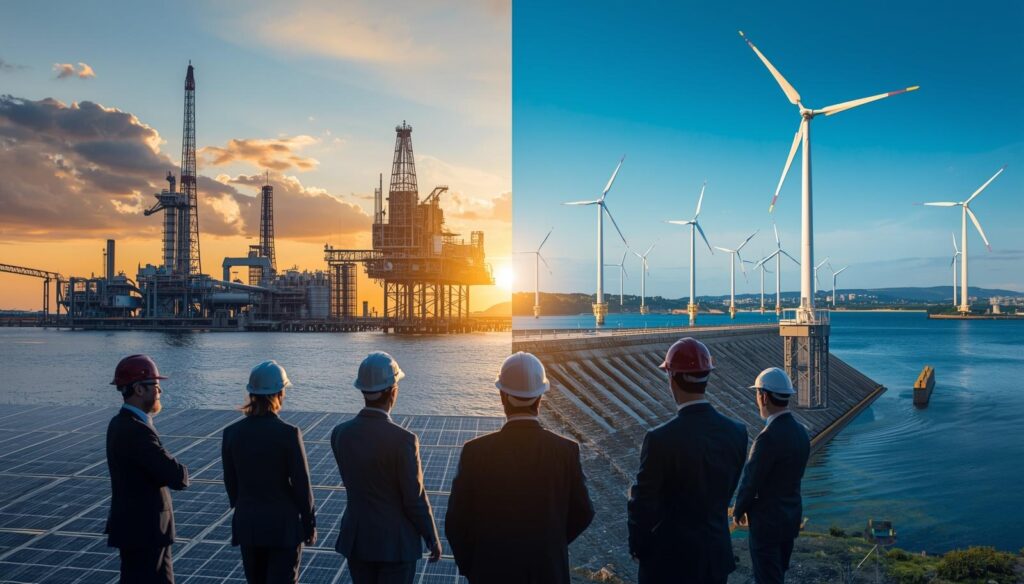
Energy And Resource Competition
Energy resources are central to global stability. Countries depend on energy imports and exports for economic activity.
Energy-related tensions include:
Oil and gas supply routes
Renewable energy transition
Resource control agreements
Energy pricing
These factors influence international relations.
Regional Conflicts And Global Impact
Regional conflicts often involve or affect major powers. These conflicts influence alliances and diplomatic decisions.
Examples of impact include:
Humanitarian response
Military support
Economic sanctions
Diplomatic negotiations
Regional instability affects global security.
Role Of Alliances In Global Stability
Alliances help manage geopolitical tensions. Countries form partnerships for security and economic cooperation.
Types of alliances include:
Defense agreements
Trade partnerships
Regional organizations
Strategic cooperation groups
Alliances influence global balance of power.
Economic Interdependence Between Nations
Despite tensions, countries remain economically connected. Trade networks and supply chains link economies.
Interdependence includes:
Manufacturing supply chains
Energy trade
Financial systems
Technology exchange
This connection can reduce or increase tensions depending on conditions.
Sanctions And Economic Measures
Sanctions are used in geopolitical disputes. They affect trade and financial systems.
Sanctions include:
Trade restrictions
Financial limitations
Asset controls
Technology export bans
These measures influence economic relations.
Diplomatic Efforts And Negotiations
Diplomacy is used to manage tensions between major powers. Negotiations aim to reduce conflict and maintain stability.
Diplomatic tools include:
Bilateral talks
Multilateral forums
Peace agreements
International mediation
Diplomacy supports conflict resolution.
Role Of International Organizations
International organizations help manage global tensions. They provide platforms for discussion and coordination.
Organizations include:
United Nations
World Trade Organization
Regional cooperation bodies
These institutions support communication between states.
Cybersecurity And Digital Conflict
Cybersecurity is a growing area of tension. Countries focus on protecting digital infrastructure.
Cyber issues include:
Cyber attacks
Data security
Digital surveillance concerns
Infrastructure protection
Digital systems are now part of national security.
Impact On Global Economy
Geopolitical tensions affect global economic systems.
Effects include:
Market instability
Supply chain disruption
Investment uncertainty
Trade reduction
Global businesses adjust strategies based on political conditions.
Energy Security And Global Stability
Energy security is affected by geopolitical tensions. Countries manage energy supply risks through diversification.
Energy strategies include:
Alternative energy sources
Strategic reserves
New trade routes
Energy stability influences economic security.
Humanitarian Impact Of Conflicts
Geopolitical tensions often affect civilian populations.
Impacts include:
Migration flows
Infrastructure damage
Economic hardship
Access to resources
Humanitarian issues require international response.
Media And Information Influence
Information systems play a role in shaping perceptions of geopolitical tensions.
Factors include:
News reporting
Digital platforms
Public communication strategies
Information influences public understanding of global events.
Future Of Geopolitical Relations
Future relations between major powers will depend on:
Economic cooperation
Technology development
Diplomatic engagement
Security arrangements
Changes in these areas will shape global stability.
Strategies For Reducing Tension
Countries use several methods to reduce geopolitical tensions:
Diplomatic negotiations
Economic cooperation
Conflict resolution frameworks
Multilateral agreements
These strategies support stability.
Balance Between Competition And Cooperation
Global relations include both competition and cooperation. Countries compete in some areas and cooperate in others.
This balance influences global stability.