
Strategic alliances and rivalries shape global political power dynamics. Countries build partnerships to secure interests, expand influence, and manage risks. At the same time, rivalries emerge when nations compete for economic reach, security positioning, and political leadership. These two forces work together and influence global relations.
Global politics is not static. Power shifts occur when economies grow, technology advances, and regional priorities change. Alliances respond to shared goals, while rivalries form around competing interests. These changes affect diplomacy, trade, defense, and global governance.
This article explains how strategic alliances and rivalries transform global political power dynamics. It explores the causes, effects, and future of these relationships in the modern world.
Understanding Strategic Alliances
Strategic alliances are agreements between countries that cooperate to achieve mutual goals. These alliances can focus on security, trade, technology, or political cooperation.
Countries form alliances to:
Increase security
Strengthen economic cooperation
Expand diplomatic influence
Share resources
Address global challenges
Strategic alliances help countries balance influence and reduce uncertainty in international relations.
Types Of Strategic Alliances
Strategic alliances take several forms depending on the goals involved.
Defense Alliances
Defense alliances focus on military cooperation and security planning. Countries share intelligence, conduct joint training, and coordinate defense strategies.
Economic Alliances
Economic alliances promote trade, investment, and financial cooperation. These partnerships increase market access and economic integration.
Political Alliances
Political alliances involve diplomatic cooperation in international institutions and global governance.
Technology Alliances
Technology alliances involve research cooperation, infrastructure development, and digital systems.
Each alliance type contributes to global political power dynamics.
Role Of Rivalries In Global Politics
Rivalries occur when countries compete for influence, resources, or strategic advantage. Rivalries influence diplomatic relations and shape global competition.
Common causes of rivalries include:
Economic competition
Military positioning
Technology leadership
Regional influence
Resource control
Rivalries may create tension but also drive development and strategic planning.
Economic Alliances And Competition
Economic alliances increase cooperation between nations. Countries build partnerships to strengthen trade and investment.
Economic cooperation includes:
Trade agreements
Investment partnerships
Infrastructure development
Financial coordination
At the same time, economic rivalries occur when nations compete for markets and resources.
Economic competition includes:
Trade restrictions
Tariffs
Industrial policies
Supply chain control
Economic alliances and rivalries shape global markets.
Military Alliances And Security Rivalries
Security alliances help countries address shared threats. Military cooperation strengthens defense capability.
Security alliances involve:
Joint military exercises
Defense agreements
Intelligence sharing
Security planning
Rivalries occur when countries increase military presence in strategic regions.
Security rivalry includes:
Military buildup
Strategic positioning
Defense competition
These developments influence global stability.
Technology Alliances And Competition
Technology plays a major role in global power dynamics. Countries cooperate in research and development.
Technology alliances include:
Digital infrastructure
Research partnerships
Innovation investment
Technology rivalry occurs when countries compete for leadership in digital systems.
Technology competition includes:
Artificial intelligence
Cybersecurity
Semiconductor production
Communication networks
Technology leadership influences global influence.
Energy Partnerships And Resource Rivalries
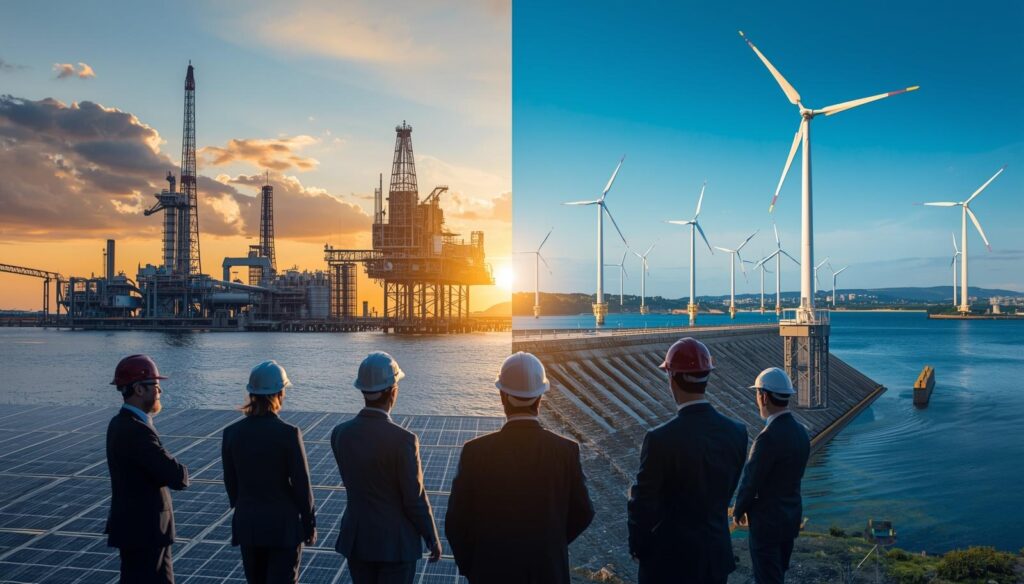
Energy resources shape alliances and rivalries. Countries cooperate to secure energy supply.
Energy alliances include:
Oil and gas partnerships
Renewable energy cooperation
Energy infrastructure projects
Resource rivalries occur when countries compete for energy access.
Energy competition includes:
Pipeline routes
Supply control
Resource agreements
Energy strategies influence global relations.
Regional Alliances And Global Influence
Regional alliances strengthen cooperation among neighboring countries. These partnerships increase influence in global affairs.
Regional cooperation includes:
Trade partnerships
Infrastructure development
Security cooperation
Regional alliances contribute to global political shifts.
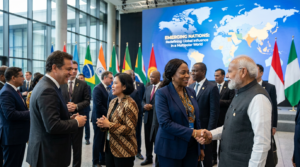
Emerging Economies And New Alliances
Emerging economies play a growing role in alliances. These countries expand partnerships through trade and investment.
Emerging economies contribute through:
Infrastructure investment
Trade agreements
Regional cooperation
New alliances reshape global political dynamics.
Diplomatic Engagement And Rivalries
Diplomacy plays a role in managing alliances and rivalries. Countries negotiate agreements and resolve disputes.
Diplomatic strategies include:
Bilateral meetings
Multilateral discussions
Economic diplomacy
Diplomacy helps maintain stability.
International Organizations And Global Cooperation
International organizations support alliances and manage rivalries. These institutions provide platforms for cooperation.
Organizations include:
United Nations
World Trade Organization
Regional organizations
These institutions help resolve disputes and support dialogue.
Economic Interdependence And Political Influence
Countries depend on each other for trade and resources. This interdependence shapes alliances and rivalries.
Economic interdependence includes:
Supply chains
Investment flows
Trade routes
Economic connections influence diplomacy.
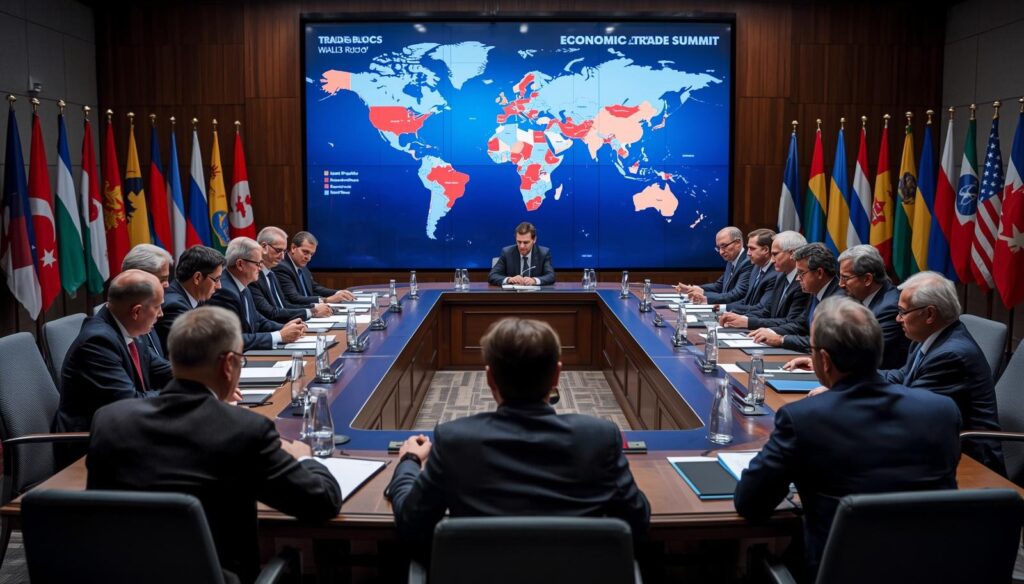
Global Trade And Strategic Partnerships
Trade partnerships influence political power. Countries strengthen alliances through economic cooperation.
Trade partnerships include:
Regional trade agreements
Bilateral trade deals
Multilateral cooperation
Trade networks influence global relations.
Cybersecurity And Digital Rivalries
Cybersecurity is part of global rivalry. Countries protect digital infrastructure and compete in cyber capability.
Cyber competition includes:
Data protection
Digital systems
Network security
Digital systems influence national strategy.
Security Challenges And Alliances
Global security challenges require cooperation. Countries form alliances to manage threats.
Security challenges include:
Cyber threats
Regional conflicts
Terrorism
Security cooperation strengthens alliances.
Future Of Global Political Power Dynamics
Future power dynamics will depend on:
Economic growth
Technology development
Diplomatic cooperation
Security planning
Strategic alliances and rivalries will continue to evolve.
Balance Between Cooperation And Competition
Countries cooperate in some areas and compete in others. This balance shapes global politics.
Examples include:
Trade cooperation with security rivalry
Technology collaboration with economic competition
This balance defines modern international relations.
Challenges In Strategic Alliances
Alliances face challenges:
Policy differences
Economic competition
Security concerns
Countries manage these challenges through negotiation.
Opportunities From Alliances
Strategic alliances create opportunities:
Trade growth
Technology sharing
Security cooperation
These opportunities support global development.