
Global power shifts influence how nations interact, cooperate, and compete. These shifts affect trade, security, diplomacy, and economic partnerships. Countries adjust their policies based on changes in economic strength, military capability, and political influence. As a result, international relations evolve and strategic alliances change.
This article explores global power shifts, their causes, their effects on international relations, and how alliances are forming in response. It also explains how governments adapt strategies to maintain influence and stability.
Understanding Global Power Shifts
Global power shifts occur when influence moves from one country or region to another. These shifts happen over time due to economic growth, technological development, military investment, and demographic changes.
Power in international relations includes:
Economic strength
Military capability
Political influence
Technological development
Diplomatic engagement
When these factors change, global influence also changes.
Historical Perspective On Global Power
Global power has shifted many times in history. In earlier periods, influence was concentrated in empires. Later, power shifted to industrial nations. In modern times, economic growth and technology drive power changes.
Examples of historical shifts include:
Rise of industrial economies
Post-war economic restructuring
Growth of emerging economies
Expansion of regional cooperation
Each shift reshaped alliances and diplomatic strategies.
Economic Power And Global Influence
Economic strength plays a major role in global influence. Countries with strong economies can invest in infrastructure, defense, and innovation. They also influence trade agreements and global markets.
Economic factors affecting power shifts include:
Trade volume
Manufacturing output
Resource access
Currency influence
Investment flows
As economies grow, countries gain influence in global decision-making.
Technology And Power Shifts
Technology affects global power. Countries investing in innovation gain influence in communication, defense, and industry.
Key areas include:
Artificial intelligence
Cybersecurity
Space technology
Communication networks
Energy systems
Technological advancement shapes national capability and global partnerships.
Military Capability And Strategic Balance
Military capability remains a factor in global power. Nations invest in defense systems, training, and cooperation.
Military factors include:
Defense spending
Strategic positioning
Joint exercises
Security partnerships
Peacekeeping missions
Military cooperation often strengthens alliances and affects regional stability.
Regional Power Centers
Power is increasingly distributed across regions. Several regions now influence global decision-making.
Asia
Economic growth and trade expansion influence global markets. Regional partnerships shape diplomacy.
Europe
Economic cooperation and political institutions influence policy coordination.
North America
Economic strength and defense partnerships influence global security.
Middle East
Energy resources influence global trade and diplomacy.
Africa
Population growth and economic development increase global importance.
Strategic Alliances In Modern Era
Strategic alliances form when countries cooperate to achieve shared goals. These alliances include economic, security, and political cooperation.
Types of alliances:
Defense partnerships
Trade agreements
Technology cooperation
Regional organizations
Alliances change as power shifts occur.
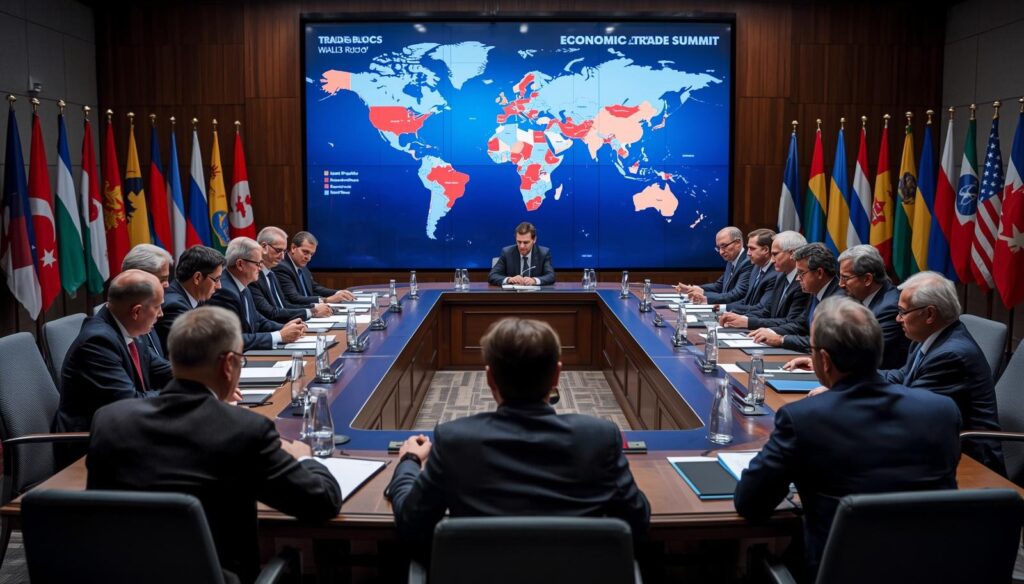
Trade Agreements And Global Cooperation
Trade agreements strengthen economic ties. Countries form agreements to reduce barriers and increase market access.
Trade cooperation includes:
Regional trade blocs
Bilateral agreements
Multilateral partnerships
Trade agreements influence global relationships.
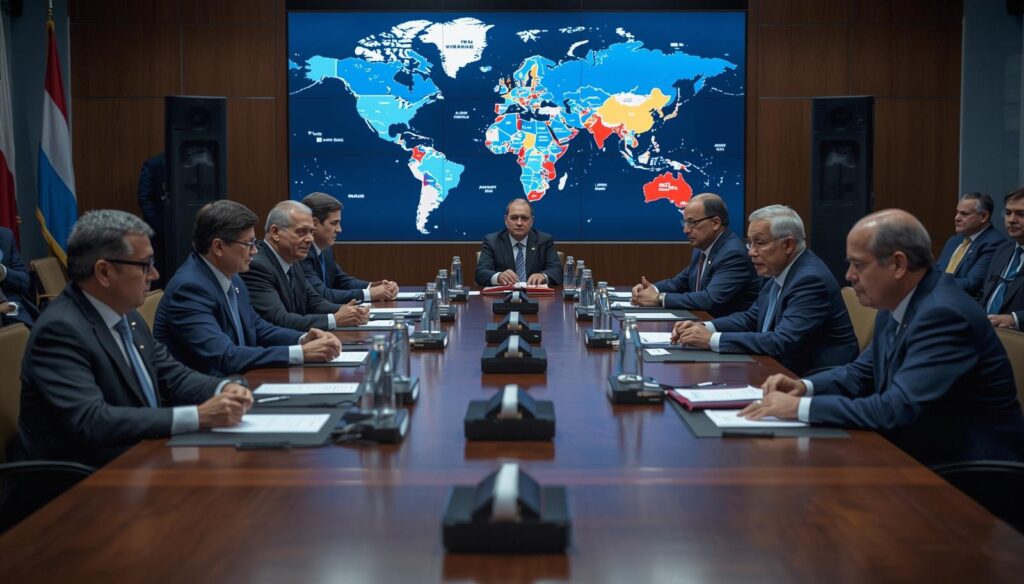
Role Of International Organizations
International organizations help manage global cooperation. These organizations facilitate dialogue and conflict resolution.
Examples include:
United Nations
World Trade Organization
International Monetary Fund
Regional organizations
These institutions support cooperation during power transitions.
Diplomacy And Power Balance
Diplomacy helps manage relationships between countries. Governments use diplomacy to negotiate agreements and manage conflicts.
Diplomatic strategies include:
Bilateral talks
Multilateral forums
Economic diplomacy
Cultural exchange
Diplomacy supports stability during global shifts.
Emerging Economies And Influence
Emerging economies play a larger role in global relations. Economic growth increases participation in global governance.
Emerging economies contribute through:
Trade partnerships
Investment projects
Infrastructure development
Regional cooperation
These countries influence global decisions.
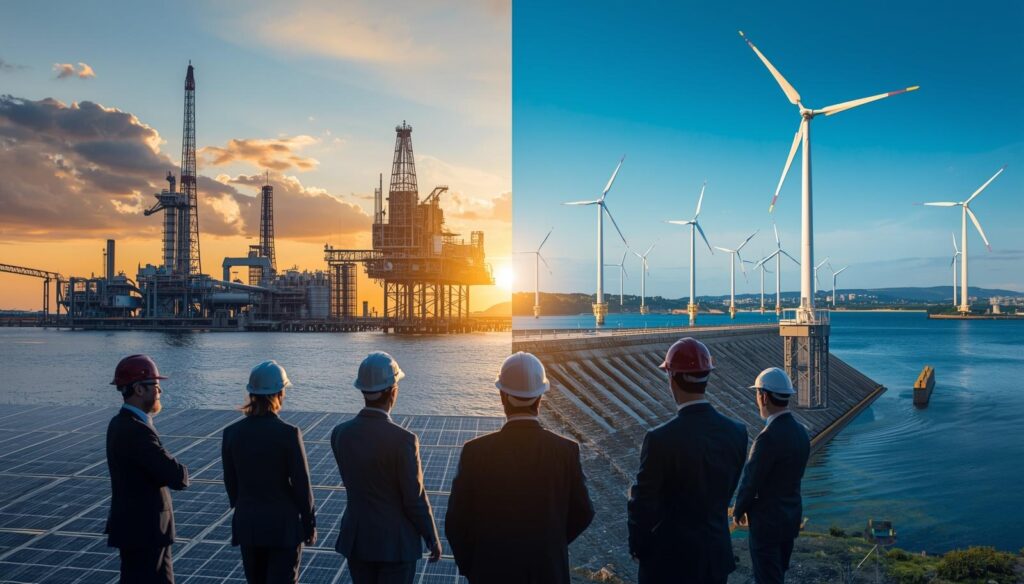
Energy And Resource Competition
Energy resources influence global relations. Countries cooperate or compete for access to energy sources.
Energy factors include:
Oil supply
Gas production
Renewable energy
Infrastructure investment
Energy policies shape alliances and partnerships.
Technology Cooperation And Competition
Technology partnerships influence global relations. Countries collaborate in research and development.
Technology cooperation includes:
Research partnerships
Innovation funding
Digital infrastructure
Competition also drives investment in new technologies.
Security Challenges And Alliances
Security challenges influence alliances. Countries cooperate to address shared risks.
Security issues include:
Cyber threats
Regional conflicts
Terrorism
Maritime security
Joint responses strengthen partnerships.
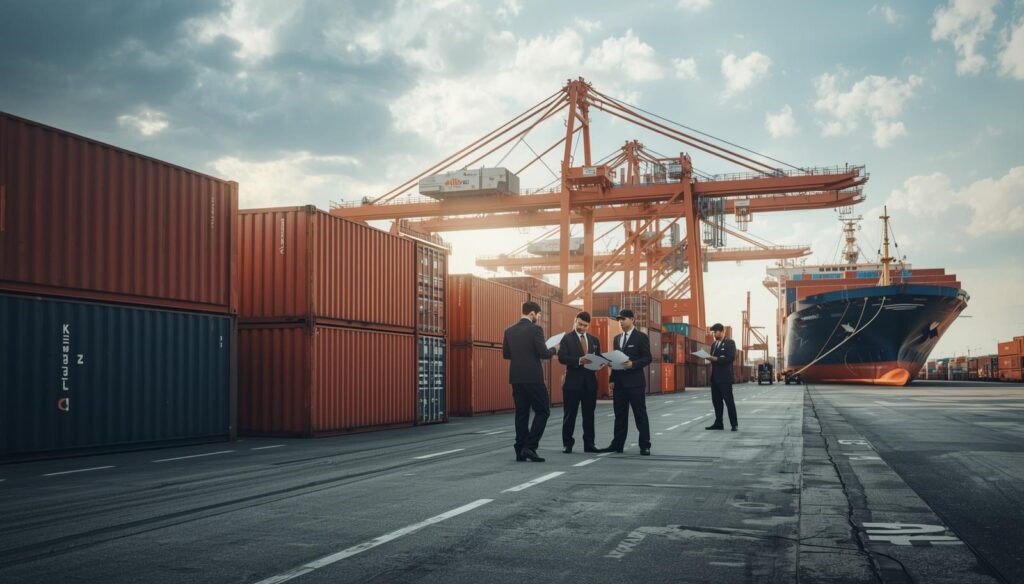
Economic Interdependence
Countries depend on each other for trade and resources. This interdependence shapes diplomacy.
Economic interdependence includes:
Supply chains
Trade routes
Investment flows
These connections influence global relations.
Global Governance And Cooperation
Global governance involves managing international issues through cooperation. Countries work together on shared concerns.
Examples:
Climate agreements
Health cooperation
Economic coordination
Global governance evolves with power shifts.
Regional Conflicts And Diplomacy
Conflicts influence alliances and diplomacy. Countries respond through negotiations and cooperation.
Conflict management includes:
Mediation
Peacekeeping
Diplomatic engagement
These efforts aim to maintain stability.
Future Of Global Power Shifts
Future power shifts will be influenced by:
Economic growth
Technology innovation
Population changes
Environmental challenges
Countries will adapt strategies to maintain influence.
Impact On International Relations
Global power shifts affect:
Trade relationships
Security cooperation
Diplomatic engagement
Economic partnerships
International relations evolve with these changes.
Strategic Alliances In Changing World
Countries form alliances based on shared interests. These alliances may change as conditions evolve.
Strategic partnerships focus on:
Economic cooperation
Defense coordination
Technology sharing
These alliances shape global relations.
Role Of Leadership In Global Relations
Leadership decisions influence foreign policy. Governments shape strategies based on national interests.
Leadership priorities include:
Economic development
Security cooperation
Diplomatic engagement
These priorities guide international relations.
Challenges In Global Power Transition
Power transitions create challenges:
Trade disputes
Security concerns
Diplomatic tensions
Countries manage these challenges through dialogue.
Opportunities From Power Shifts
Power shifts also create opportunities:
New partnerships
Trade expansion
Technology cooperation
These opportunities shape global cooperation.