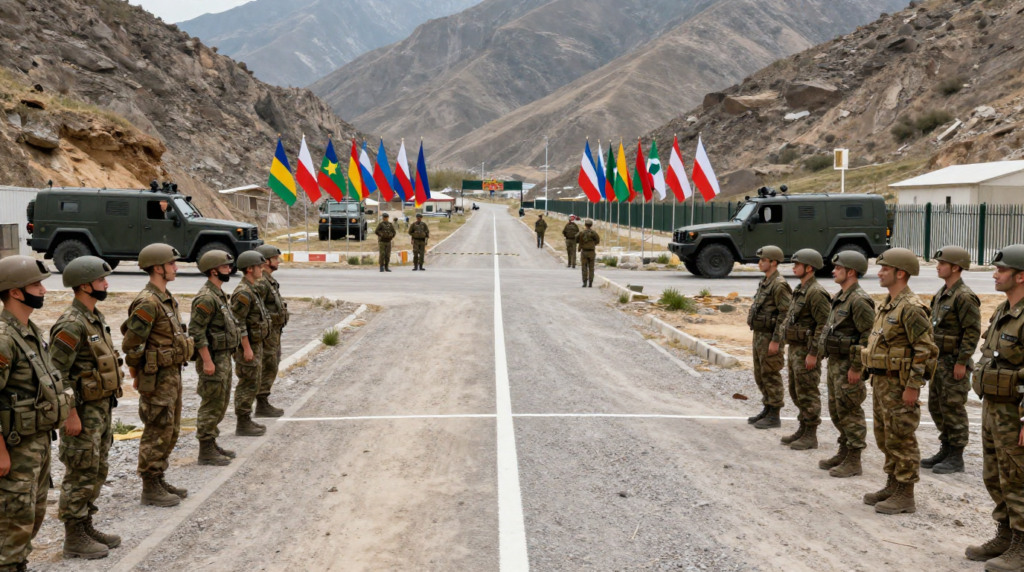

Border disputes continue to increase tensions between nations across strategic regions worldwide. These disputes affect diplomacy, trade, defense planning, and international cooperation. Governments face pressure to manage disagreements while maintaining stability. Border issues involve land, maritime zones, and access to resources. As disputes evolve, countries engage in negotiations, confidence building measures, and security coordination.
Border disputes often emerge from historical claims, colonial boundaries, and competing national interests. These disagreements may remain unresolved for decades. When tensions rise, governments deploy forces, conduct patrols, and strengthen infrastructure near contested areas. These developments influence regional stability and global political relations.
Strategic regions such as maritime corridors, energy routes, and trade pathways attract attention from multiple nations. Control over these areas holds economic and security importance. Border disputes in such locations affect supply chains and international cooperation. Governments and organizations seek diplomatic solutions to reduce risk and maintain stability.
This article explores border disputes increasing tensions between nations across strategic regions worldwide. It examines causes, regional developments, diplomatic responses, economic implications, and future outlook.
Understanding Border Disputes
Border disputes arise from disagreements over territory and jurisdiction. These disputes may involve land borders, maritime boundaries, and airspace. Governments rely on historical documents, treaties, and legal arguments to support claims.
Land disputes often involve remote areas where boundaries remain unclear. These areas may include mountains, deserts, and forests. Governments establish outposts and patrol routes to assert presence.
Maritime disputes involve access to fishing grounds, energy resources, and shipping lanes. Nations claim exclusive zones based on international law. Conflicting claims lead to tension.
Border disputes also involve infrastructure development. Roads, bridges, and ports near disputed areas may increase tension. Governments view these projects as assertions of control.
Diplomacy plays a role in managing disputes. Governments hold talks, establish working groups, and negotiate agreements. These efforts aim to prevent escalation.
Border Disputes in Asia
Asia hosts several border disputes involving land and maritime boundaries. Governments in the region engage in diplomatic dialogue to manage tension. These disputes involve mountains, rivers, and maritime zones.
Border disputes in Asia affect trade routes and security planning. Governments deploy forces near contested areas. Diplomatic engagement aims to reduce risk.
Regional organizations provide platforms for dialogue. Governments discuss confidence building measures such as communication channels and patrol coordination.
Economic cooperation also influences diplomacy. Trade partnerships encourage dialogue. Governments seek balance between competition and cooperation.
Infrastructure development near borders remains a concern. Roads and facilities increase presence. Negotiations address these issues.
Border Disputes in Europe
Europe continues to face border disputes involving territories and maritime boundaries. Governments engage in diplomatic negotiations to resolve disagreements. These disputes affect political relations and security planning.
Regional organizations support dialogue. Governments participate in negotiations and mediation efforts. These initiatives aim to reduce tension.
Energy resources play a role in maritime disputes. Access to offshore reserves influences claims. Diplomacy addresses these concerns.
Border management agreements also form part of negotiations. Governments coordinate patrols and communication.
Economic cooperation influences stability. Trade partnerships encourage dialogue and compromise.
Border Disputes in the Middle East
The Middle East hosts border disputes involving land and maritime zones. Governments in the region engage in diplomatic talks. These disputes affect security and energy supply.
Resource access influences claims. Governments negotiate boundaries to manage resources. Diplomacy plays a central role.
Security concerns also shape disputes. Governments deploy forces near borders. Confidence building measures aim to reduce tension.
International organizations support negotiations. Mediation efforts facilitate dialogue.
Humanitarian concerns arise in disputed areas. Governments coordinate assistance.
Border Disputes in Africa
Africa experiences border disputes linked to colonial boundaries and resource access. Governments engage in diplomatic negotiations and mediation. Regional organizations support dialogue.
Border disputes in Africa involve land and water resources. Governments seek agreements to manage access. Diplomacy supports cooperation.
Peace agreements may include joint management arrangements. These initiatives promote stability.
Infrastructure projects near borders influence tension. Governments coordinate development.
Economic cooperation supports long-term resolution.
Border Disputes in Latin America
Latin America hosts border disputes involving land and maritime boundaries. Governments engage in negotiations and legal processes. Regional organizations facilitate dialogue.
Trade and economic cooperation influence diplomacy. Governments seek peaceful resolution.
Confidence building measures include patrol coordination and communication channels. These initiatives reduce tension.
International law plays a role in resolving disputes. Governments submit cases to legal institutions.
Diplomatic engagement continues to shape outcomes.
Causes of Border Disputes
Several factors contribute to border disputes:
Historical claims and treaties
Resource access including energy and minerals
Strategic location near trade routes
National security concerns
Infrastructure development
These factors influence government decisions. Diplomatic engagement addresses these causes.
Diplomatic Efforts to Resolve Border Disputes
Diplomatic negotiations remain central to resolving border disputes. Governments establish working groups and hold talks. These discussions focus on legal frameworks and compromise.
Confidence building measures include communication channels and joint patrols. These initiatives reduce risk.
Mediation by international organizations supports negotiations. Neutral parties facilitate dialogue.
Legal processes also form part of resolution. Governments submit disputes to arbitration.
Diplomatic engagement requires patience. Negotiations may take years.
Security Implications of Border Disputes
Border disputes influence security planning. Governments deploy forces and strengthen infrastructure. These actions may increase tension.
Confidence building measures support stability. Communication channels reduce misunderstanding.
Defense cooperation with allies may increase. Governments coordinate planning.
Security implications affect regional stability.
Economic Impact of Border Disputes
Border disputes affect trade and investment. Businesses monitor developments. Governments seek to maintain stability.
Trade routes near disputed areas may face disruption. Supply chains adapt.
Energy exploration in contested zones may delay investment. Governments negotiate agreements.
Economic cooperation supports resolution.
Role of International Organizations
International organizations support border dispute resolution. These institutions provide mediation and legal frameworks.
Peacekeeping missions may support stability. Monitoring teams observe agreements.
Regional organizations facilitate dialogue.
International cooperation supports resolution.
Technology and Border Management
Technology supports border management. Satellite imagery and monitoring systems track activity. Governments use data to support negotiations.
Communication technology improves coordination. Diplomacy benefits from information sharing.
Technology also introduces challenges. Cyber incidents may influence disputes.
Humanitarian Impact
Border disputes affect communities living near contested areas. Movement restrictions and economic disruption occur. Governments coordinate assistance.
Humanitarian diplomacy supports aid delivery. Organizations monitor conditions.
Peaceful resolution improves living conditions.
Future Outlook
Border disputes will continue to influence international relations. Governments will pursue diplomacy and cooperation. Strategic regions will remain focal points.
Confidence building measures and legal frameworks will support resolution. International organizations will play a role.
Diplomatic engagement remains essential.