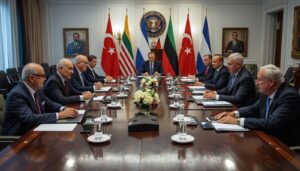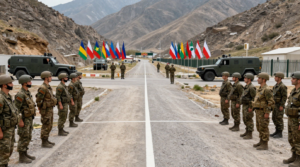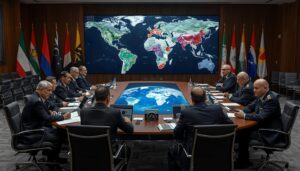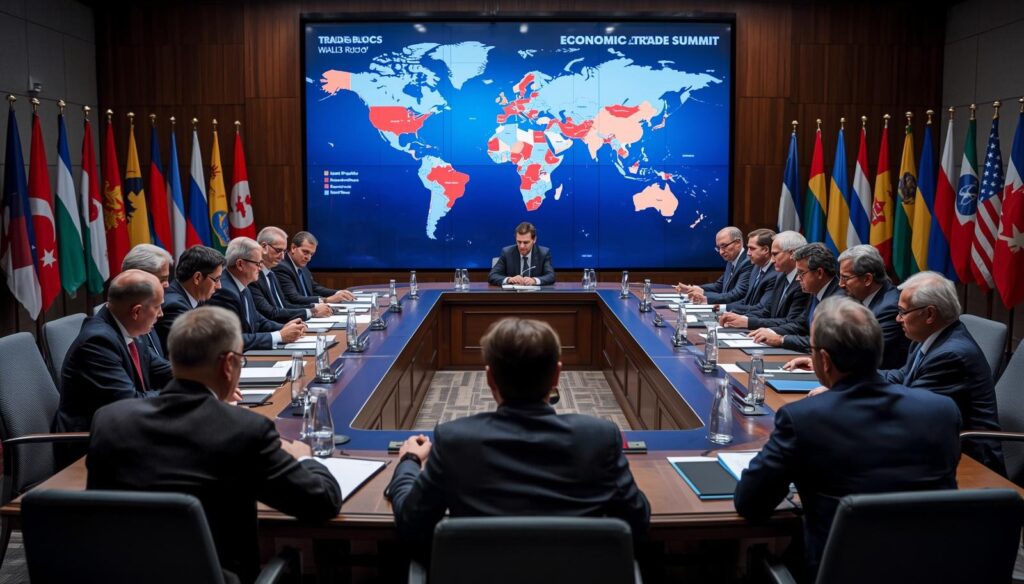
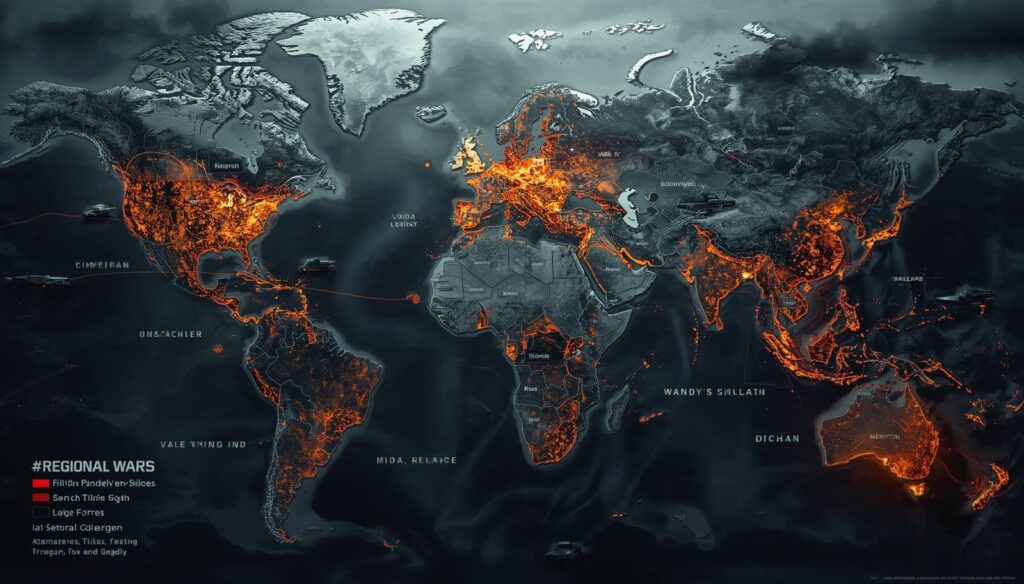

Regional wars continue to escalate as major powers compete for influence across different parts of the world. These conflicts involve strategic interests, political alignment, economic competition, and security concerns. Governments are expanding diplomatic engagement, strengthening alliances, and adjusting defense strategies in response to changing conditions. As competition grows, regional wars shape international relations and influence global stability.
Major powers seek influence through diplomatic partnerships, economic cooperation, and security arrangements. These efforts often intersect in regions experiencing conflict. Local disputes become linked to broader competition between global actors. As a result, regional wars gain international significance and affect global political stability.
These developments impact economies, trade routes, and humanitarian conditions. Governments and international organizations work to manage risk and prevent escalation. Diplomacy remains a central tool for addressing tension. This article explores how regional wars escalate as major powers compete for influence globally, examining regional developments, diplomatic responses, and future outlook.
Understanding Regional Wars and Global Competition
Regional wars often emerge from local disputes involving borders, governance, and resources. When major powers engage in these regions, conflicts become linked to global competition. Governments seek influence by supporting partners, providing aid, or engaging in diplomacy.
Competition between major powers involves economic cooperation, military coordination, and political alignment. These factors influence regional conflicts. Governments pursue partnerships to strengthen position.
Regional wars also affect alliances. Countries align with partners based on interests. These alliances shape diplomatic relations and security arrangements.
The impact of regional wars extends beyond borders. Trade routes, energy supply, and migration patterns may change. Governments monitor developments closely.
Regional Wars in Europe
Europe continues to face tension related to territorial disputes and security concerns. Governments in the region coordinate through alliances and diplomatic engagement. Major powers participate in negotiations and security arrangements.
Regional wars in Europe affect energy supply and economic relations. Governments seek cooperation to maintain stability. Diplomatic engagement remains central.
Security cooperation also expands. Governments conduct consultations and coordinate defense planning. These developments influence stability.
International organizations support dialogue. Peace negotiations and ceasefire arrangements form part of diplomatic efforts.
Regional Wars in the Middle East
The Middle East remains a region where competition among major powers influences conflicts. Governments support partners through diplomatic and economic engagement. These relationships shape regional dynamics.
Energy resources play a role in regional wars. Governments seek access to supply and transport routes. Diplomatic negotiations address these issues.
Security concerns include armed groups and governance challenges. Major powers engage in mediation and coordination.
Humanitarian conditions require international cooperation. Governments and organizations coordinate aid delivery.
Regional Wars in Asia
Asia hosts disputes involving borders and maritime claims. Major powers compete for influence through diplomatic engagement and economic cooperation. Regional wars affect trade and security.
Governments pursue alliances and partnerships. These relationships influence regional stability.
Technology and economic competition also shape conflicts. Governments negotiate agreements and cooperation frameworks.
Regional organizations provide platforms for dialogue. Diplomacy remains central to managing tension.
Regional Wars in Africa
Africa experiences conflicts involving governance, resources, and territorial disputes. Major powers engage in diplomatic and economic partnerships. These efforts influence regional wars.
Infrastructure investment and resource cooperation play roles in competition. Governments seek partnerships.
Peace negotiations and mediation support conflict resolution. International organizations coordinate efforts.
Economic development forms part of long-term stability.
Regional Wars in Latin America
Latin America experiences political and social conflict in certain regions. Major powers engage in diplomatic cooperation and economic partnerships. These relationships influence stability.
Regional organizations facilitate dialogue and cooperation. Governments seek negotiation and reform.
Economic cooperation supports stability. Diplomatic engagement remains central.
Influence Through Economic Partnerships
Major powers compete for influence through economic partnerships. Trade agreements and investment projects shape relationships. Governments seek access to markets and resources.
Infrastructure projects such as ports and transport networks influence regional dynamics. Diplomatic engagement supports these initiatives.
Financial cooperation also forms part of competition. Governments coordinate investment and development programs.
Economic partnerships influence political alignment.
Security Cooperation and Military Coordination
Security cooperation forms another dimension of competition. Major powers engage in defense partnerships and training programs. These initiatives influence regional wars.
Military coordination also includes intelligence sharing and joint planning. Governments pursue these partnerships.
Security cooperation may affect diplomatic relations. Governments balance partnerships.
Confidence-building measures support stability.
Diplomatic Engagement and Mediation
Diplomacy remains central to managing regional wars. Major powers engage in negotiations and mediation. These efforts aim to reduce tension.
International organizations provide platforms for dialogue. Mediators facilitate negotiations.
Ceasefire agreements and political settlement form part of diplomacy.
Diplomatic engagement continues alongside competition.
Humanitarian Impact of Regional Wars
Regional wars affect civilian populations. Displacement and economic disruption occur. Governments and organizations respond with aid.
Humanitarian diplomacy supports coordination. Relief efforts require cooperation.
International organizations monitor conditions.
Economic Impact of Regional Wars
Regional wars affect global markets. Trade routes may face disruption. Energy supply may fluctuate.
Investment decisions depend on stability. Governments monitor developments.
Economic cooperation may support recovery.
Technology and Modern Competition
Technology influences competition among major powers. Cyber incidents and digital infrastructure form part of conflict dynamics. Governments negotiate frameworks for cooperation.
Digital communication supports diplomacy. Technology also introduces risk.
Innovation partnerships shape economic competition.
Future Outlook
Regional wars will continue to shape global competition. Major powers will pursue influence through diplomacy and cooperation.
Economic partnerships and security arrangements will remain priorities. Governments will engage in dialogue.
International organizations will support conflict resolution.