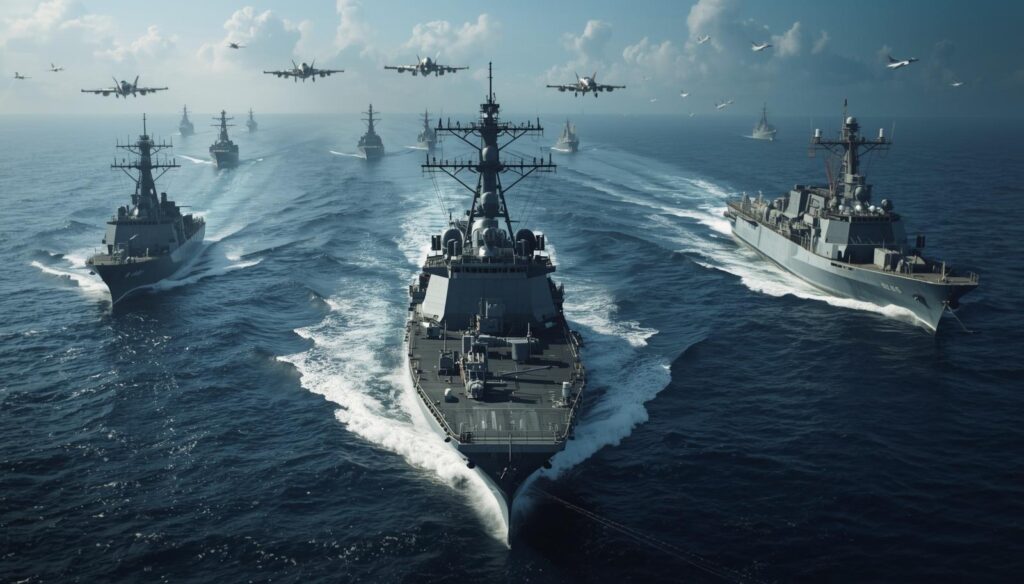

Military buildups across various regions are signaling growing global conflicts and security concerns today. Governments are increasing defense budgets, deploying troops, expanding naval fleets, and strengthening air defense systems. These developments reflect shifting geopolitical priorities and rising tension between nations. As military activity expands, concerns about stability, diplomacy, and international cooperation also increase.
Military buildups often occur in response to perceived threats, territorial disputes, and strategic competition. Governments aim to protect borders, secure trade routes, and maintain influence. These actions influence global security and political relations. Military expansion also affects diplomacy, as nations balance deterrence with dialogue.
The current global landscape reflects heightened attention to defense preparedness. Countries are investing in advanced systems, modernizing forces, and enhancing coordination with allies. These efforts aim to deter conflict and strengthen security frameworks.
This article explores how military buildups signal growing global conflicts and security concerns today. It examines regional developments, diplomatic responses, economic implications, and future outlook.
Understanding Military Buildups
Military buildups refer to expansion of defense capabilities. Governments increase troop deployment, acquire equipment, and invest in infrastructure. These actions aim to strengthen preparedness.
Military buildups often occur near contested regions. Governments deploy forces to assert presence. These deployments influence regional stability.
Defense budgets also reflect military expansion. Governments allocate funds for modernization and training. These investments shape long term security planning.
Military exercises form part of buildups. Governments conduct drills to improve coordination. These exercises also signal readiness.
Diplomacy plays a role alongside military expansion. Governments engage in dialogue to reduce misunderstanding.
Military Buildups in Europe
Europe continues to experience increased military activity. Governments deploy forces near borders and conduct exercises. These developments reflect security concerns.
Alliances in Europe play a role in coordination. Governments strengthen cooperation and planning. These partnerships influence stability.
Energy infrastructure and supply routes also affect security planning. Governments coordinate defense strategies.
Diplomatic engagement accompanies military expansion. Negotiations aim to reduce risk.
Regional organizations support dialogue and monitoring.
Military Buildups in Asia
Asia hosts several areas where military activity has increased. Governments deploy naval forces and expand air defense systems. These developments reflect territorial disputes.
Maritime regions remain focal points for military expansion. Governments patrol contested waters. Diplomatic talks aim to manage tension.
Technology investment also shapes military planning. Governments develop cyber capabilities and surveillance systems.
Alliances and partnerships influence security arrangements. Governments coordinate defense cooperation.
Regional forums provide platforms for dialogue.
Military Buildups in the Middle East
The Middle East continues to witness military expansion. Governments strengthen defense capabilities and deploy forces. These actions reflect security concerns.
Regional conflicts influence military planning. Governments invest in air defense and missile systems.
Energy infrastructure protection remains a priority. Governments deploy forces near strategic locations.
Diplomatic engagement supports conflict management. Governments coordinate negotiations.
International organizations monitor developments.
Military Buildups in Africa
Africa experiences military expansion linked to security challenges. Governments strengthen forces to address conflict and instability.
Regional cooperation supports defense planning. Governments coordinate training and operations.
Peacekeeping missions also influence military activity. Governments participate in operations.
Economic development and infrastructure protection shape planning.
Diplomacy remains central to conflict resolution.
Military Buildups in Latin America
Latin America sees military expansion focused on security and border management. Governments invest in defense modernization.
Regional cooperation supports coordination. Governments conduct joint exercises.
Diplomatic engagement accompanies defense planning.
Economic factors influence military investment.
Security concerns shape policy decisions.
Causes of Military Buildups
Several factors contribute to military buildups:
Territorial disputes
Strategic competition
Security concerns
Technological advancement
Alliance commitments
These factors influence defense planning. Governments respond through investment and deployment.
Impact on Global Security
Military buildups influence global security frameworks. Governments adjust policies and alliances.
Deterrence plays a role in preventing conflict. Military expansion signals readiness.
Diplomatic engagement remains important. Negotiations aim to manage tension.
International cooperation supports stability.
Economic Implications
Military expansion affects economic policy. Defense budgets increase. Governments balance spending priorities.
Defense industries benefit from investment. Technology development expands.
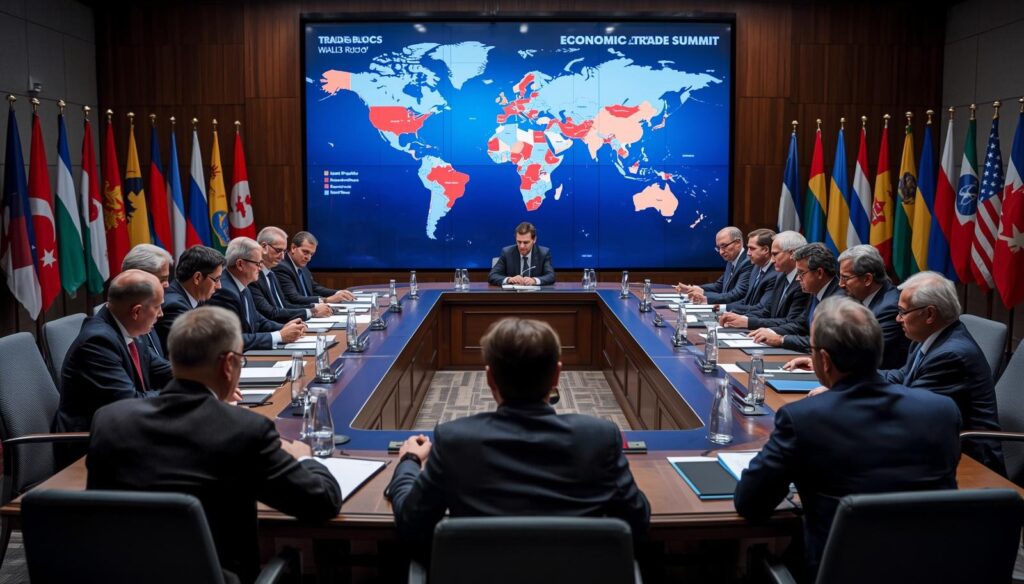
Trade relations may shift due to security concerns.
Economic cooperation supports stability.
Diplomatic Responses
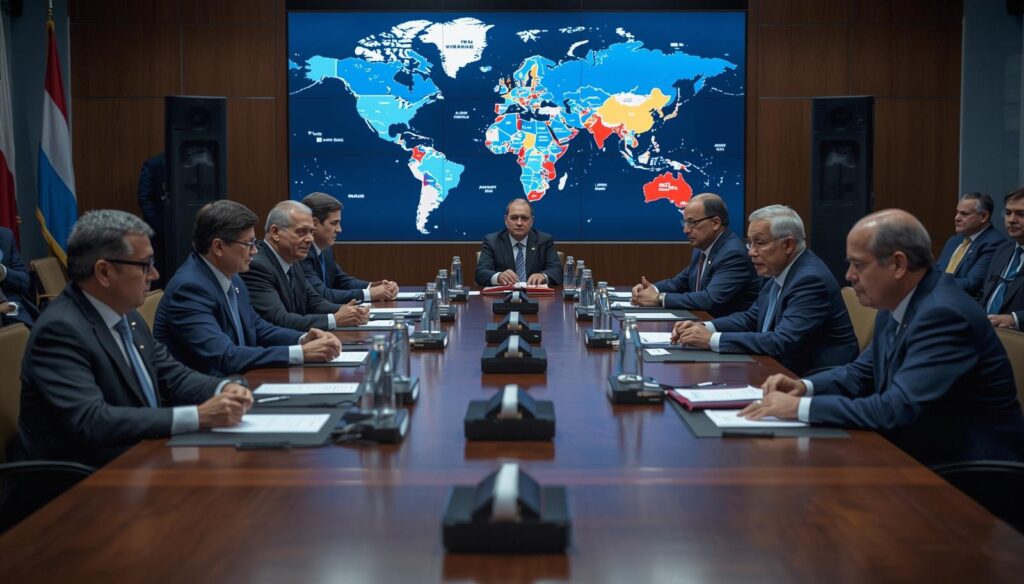
Diplomacy remains central to managing military expansion. Governments hold talks and negotiations.
Confidence building measures reduce risk. Communication channels improve transparency.
International organizations facilitate dialogue.
Diplomatic engagement supports stability.
Technology and Military Expansion
Technology plays a major role in military planning. Governments invest in cyber capabilities and surveillance.
Innovation shapes defense strategies. Governments develop advanced systems.
Technology also introduces challenges. Cyber incidents create tension.
Diplomacy addresses technology concerns.
Humanitarian Concerns
Military buildups may affect civilian populations. Communities near contested areas face disruption.
Governments coordinate assistance. International organizations support humanitarian efforts.
Diplomacy aims to reduce tension.
Future Outlook
Military buildups will continue to shape global security. Governments will invest in defense and diplomacy.
Alliances and partnerships will influence planning.
Technology and economic factors will shape developments.
Diplomatic engagement remains essential.