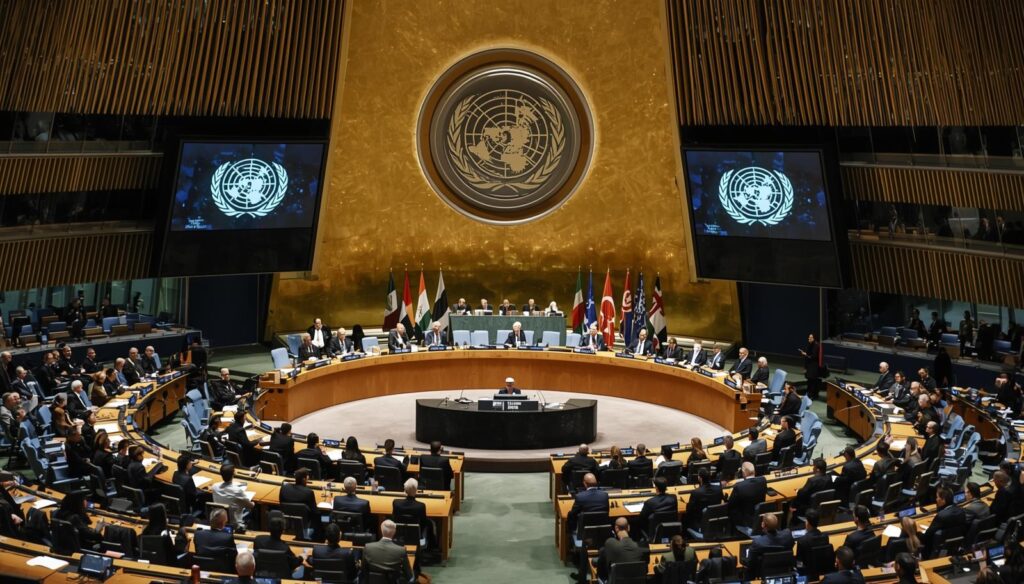

United Nations diplomacy continues to play a central role in addressing global crises and security challenges. Governments rely on the United Nations as a platform for dialogue, negotiation, and coordination. The organization brings together member states, agencies, and partners to respond to conflict, humanitarian emergencies, and threats to stability. Through diplomacy, the United Nations seeks to reduce tension, promote peace, and support recovery in regions affected by crisis.
Global crises have increased in scale and complexity. Armed conflict, displacement, food insecurity, climate impact, and economic instability create challenges that require coordinated responses. The United Nations addresses these issues through diplomatic engagement, peacekeeping missions, humanitarian coordination, and policy development. These efforts aim to stabilize conditions and prevent escalation.
United Nations diplomacy involves negotiations among member states, consultations with regional organizations, and cooperation with civil society. Diplomats work to draft resolutions, broker ceasefires, and support mediation efforts. These diplomatic initiatives shape global responses and influence security outcomes.
This article explores how United Nations diplomacy addresses global crises and security challenges. It examines peacekeeping, conflict resolution, humanitarian response, security cooperation, and future priorities.
The Role of the United Nations in Global Diplomacy
The United Nations serves as a forum for international diplomacy. Member states meet in assemblies, councils, and committees to discuss issues affecting global security. Diplomats represent national interests while seeking common ground.
The United Nations Security Council holds responsibility for maintaining international peace and security. It debates conflicts, sanctions, and peacekeeping operations. Decisions taken by the council shape diplomatic efforts and influence outcomes.
The General Assembly provides a platform for dialogue among member states. Leaders deliver statements and discuss global challenges. This forum promotes cooperation and consensus.
United Nations agencies support diplomacy through specialized work. These agencies focus on health, food security, development, and humanitarian aid. Their efforts complement diplomatic initiatives.
United Nations Diplomacy in Conflict Resolution
Conflict resolution remains a core function of United Nations diplomacy. The organization facilitates negotiations between parties in conflict. Envoys and mediators work to bring stakeholders to the table.
United Nations diplomats conduct consultations with governments and armed groups. These discussions focus on ceasefire agreements and political settlement. Mediation efforts often occur in stages.
Peace agreements negotiated through United Nations diplomacy include provisions for governance, elections, and security arrangements. Monitoring teams track implementation.
United Nations mediation also involves regional organizations. Cooperation between global and regional bodies strengthens peace efforts.
Peacekeeping Missions and Security Stabilization
Peacekeeping missions support United Nations diplomacy. These missions deploy personnel to conflict regions. Their role includes monitoring ceasefires and protecting civilians.
Peacekeeping operations work alongside diplomatic initiatives. Diplomats negotiate agreements while peacekeepers support stability. This coordination enhances effectiveness.
Peacekeeping missions also assist in disarmament and reintegration programs. These programs aim to reduce violence.
United Nations peacekeeping contributes to long-term stability. Monitoring and reporting mechanisms support implementation.
Humanitarian Diplomacy and Crisis Response
Humanitarian crises require diplomatic coordination. United Nations agencies work with governments and organizations to deliver aid. Diplomacy ensures access to affected communities.
Humanitarian diplomacy often includes negotiations for safe corridors. These arrangements allow delivery of food and medical supplies.
Displacement also forms part of humanitarian challenges. United Nations diplomacy supports coordination for refugee assistance.
Funding and resource allocation require diplomatic engagement. Member states coordinate contributions.
Addressing Global Security Challenges
Global security challenges include terrorism, cyber threats, and proliferation concerns. United Nations diplomacy addresses these issues through cooperation.
Member states negotiate frameworks for counterterrorism. Information sharing and coordination enhance security.
Cybersecurity also appears in diplomatic discussions. Governments seek agreements on responsible behavior.
Non-proliferation efforts remain part of United Nations diplomacy. Negotiations address arms control.
Climate-Related Security Challenges
Climate change contributes to security challenges. Resource scarcity and displacement create tension. United Nations diplomacy addresses these concerns.
Negotiations focus on cooperation and adaptation strategies. Member states coordinate efforts.
Climate-related security discussions involve development agencies. Diplomacy supports integration of policies.
Economic Stability and Security
Economic instability can lead to security challenges. United Nations diplomacy promotes development and cooperation.
Trade and investment support stability. Member states collaborate on economic initiatives.
Development programs complement diplomatic efforts. These programs address root causes of conflict.
Regional Cooperation Through United Nations Diplomacy
Regional cooperation strengthens diplomatic efforts. United Nations works with regional organizations.
Joint initiatives address security and humanitarian issues. Coordination enhances effectiveness.
Regional cooperation also supports peacekeeping operations.
Challenges Facing United Nations Diplomacy
United Nations diplomacy faces challenges. Member states may hold differing positions. Negotiations require compromise.
Resource constraints affect operations. Funding and logistics require coordination.
Implementation of agreements also poses challenges. Monitoring and verification mechanisms support compliance.
Technology and United Nations Diplomacy
Technology supports diplomatic engagement. Virtual meetings enable communication. Data analysis informs decisions.
Digital platforms also support humanitarian coordination. Technology enhances efficiency.
Future of United Nations Diplomacy
United Nations diplomacy will continue to address global crises. Emerging challenges require cooperation.
Member states will rely on diplomacy for conflict resolution. Peacekeeping and humanitarian efforts will remain priorities.
United Nations diplomacy will adapt to new challenges.