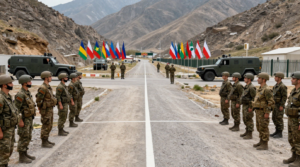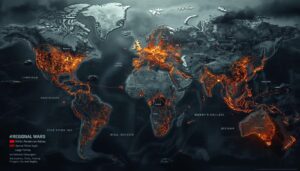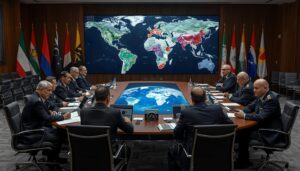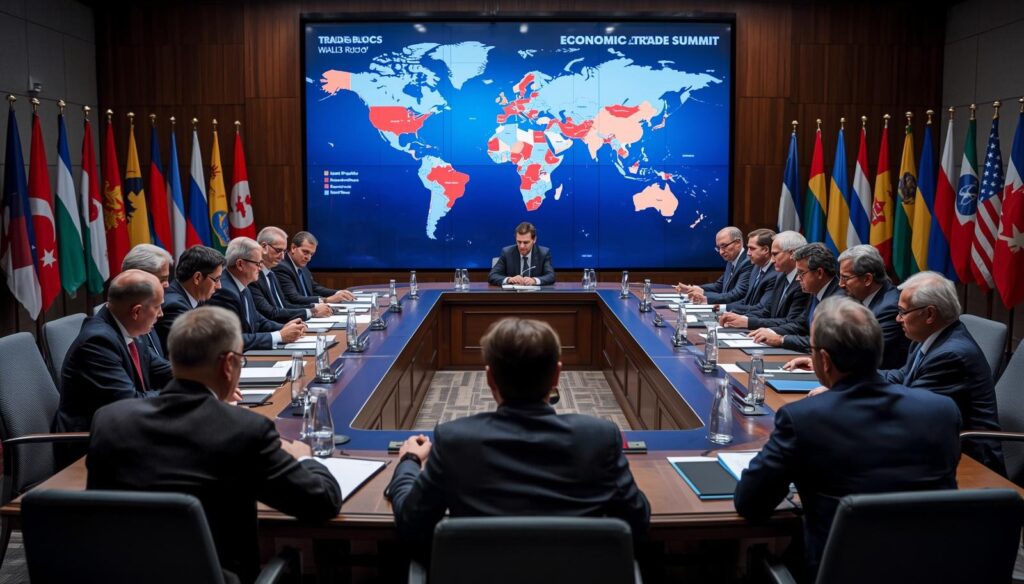

Ongoing conflicts across different regions continue to impact the global economy and international diplomatic relations significantly. Governments, businesses, and international organizations are responding to shifting conditions shaped by political disputes, territorial disagreements, and security concerns. These conflicts influence trade, energy supply, investment, and diplomatic engagement.
The global economy relies on stable relations between nations. When conflicts arise, supply chains face disruption, trade routes experience delays, and markets respond with uncertainty. Governments adjust policies to manage these challenges. Diplomatic relations also change as countries reassess partnerships and cooperation.
Ongoing conflicts create ripple effects that extend beyond regions where tensions occur. Economic shifts influence industries, employment, and development. Diplomatic engagement becomes essential to manage disputes and prevent escalation. This article examines how ongoing conflicts impact the global economy and international diplomatic relations significantly, exploring regional developments, economic consequences, diplomatic responses, and future outlook.
Understanding Ongoing Conflicts and Their Global Impact
Ongoing conflicts arise from various factors including territorial disputes, political differences, and competition for resources. These conflicts may involve multiple countries and influence international relations. Governments respond through diplomacy, economic policy adjustments, and security planning.
Conflicts affect global markets and trade. Disruptions in production and transport influence supply chains. Businesses adapt to changing conditions. Governments monitor developments and coordinate responses.
Diplomatic relations also shift during conflicts. Countries strengthen alliances and adjust foreign policy. Negotiations become essential to manage tension. International organizations support dialogue and coordination.
Economic Impact of Conflicts on Global Trade
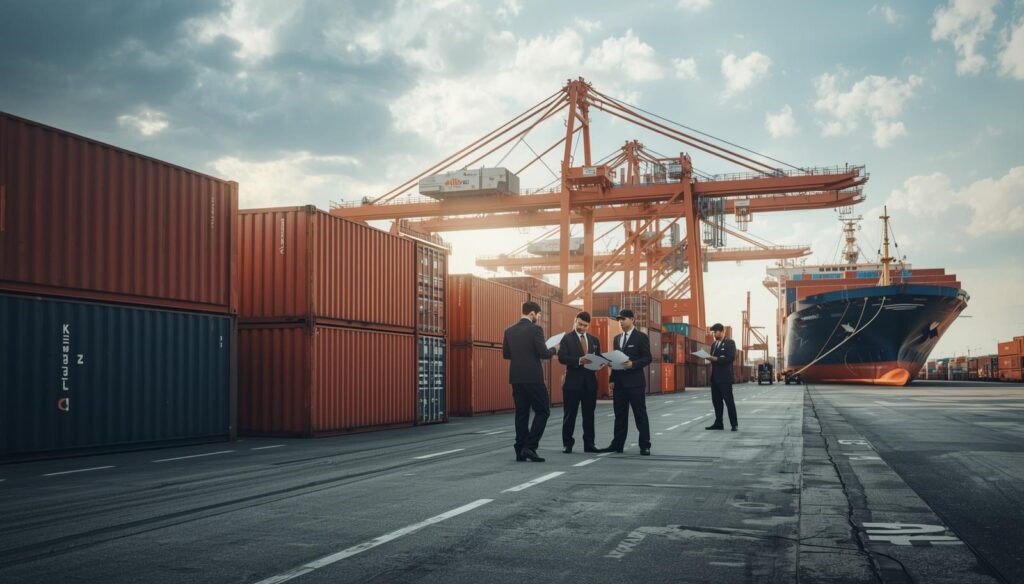
Conflicts influence global trade by affecting transport routes and production centers. Ports, shipping lanes, and border crossings may face restrictions. These developments lead to delays and cost increases.
Trade agreements may also change during conflicts. Governments review partnerships and adjust tariffs. Businesses respond by seeking alternative markets.
Supply chain diversification becomes a priority. Companies shift production to reduce risk. Governments encourage investment in domestic industries.
Trade disruptions also influence commodity markets. Prices fluctuate based on supply and demand. Governments coordinate policies to manage impact.
Energy Markets and Conflict Impact
Energy supply plays a major role in the global economy. Conflicts in energy producing regions influence oil and gas markets. Governments monitor production and transport routes.
Energy price changes affect industries and households. Governments adjust policies to manage cost impact. Diplomatic engagement supports coordination.
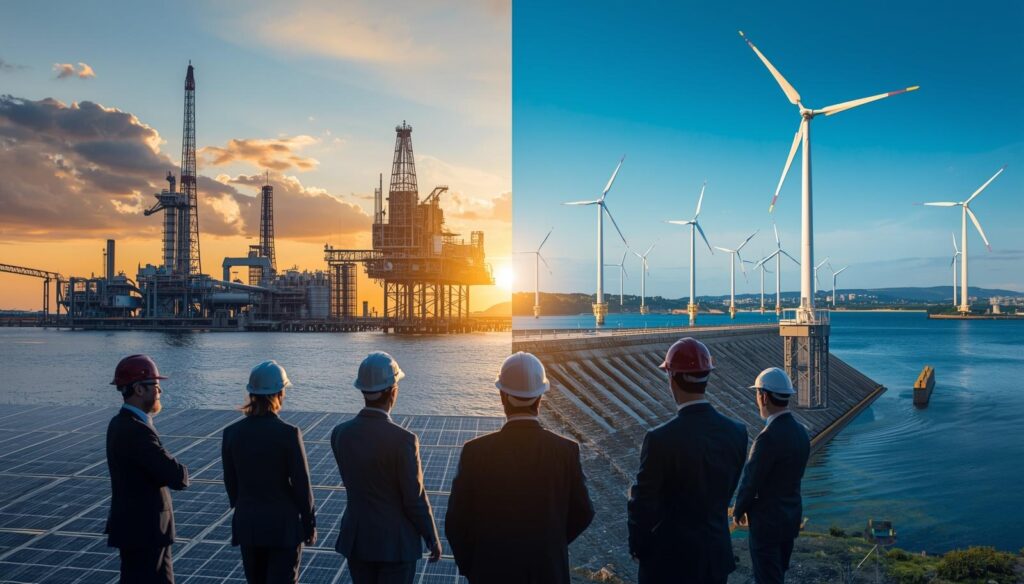
Renewable energy development also gains attention during conflicts. Governments invest in alternative sources to reduce dependence.
Energy partnerships influence diplomatic relations. Countries negotiate agreements to secure supply.
Investment and Financial Market Reactions
Financial markets respond to ongoing conflicts. Investors monitor geopolitical developments. Market volatility may increase during periods of tension.
Investment flows may shift to stable regions. Governments promote policies to attract investment. Diplomatic relations influence investor confidence.
Currency markets also respond to conflicts. Exchange rates fluctuate based on economic outlook. Governments coordinate monetary policy.
International financial institutions monitor developments and provide support where necessary.
Impact on Supply Chains
Global supply chains face disruption during conflicts. Production delays and transport challenges affect industries. Businesses adapt by diversifying suppliers.
Manufacturing sectors depend on stable supply of raw materials. Conflicts in resource rich regions influence availability. Governments coordinate policies.
Technology and logistics play roles in supply chain management. Digital platforms support coordination. Companies invest in resilience.
Supply chain changes influence global trade patterns.
Diplomatic Relations During Ongoing Conflicts
Diplomatic relations evolve during conflicts. Governments engage in dialogue and negotiation. Alliances may strengthen or shift.
Diplomatic efforts aim to reduce tension and promote stability. Negotiations focus on ceasefire agreements and economic cooperation.
International organizations facilitate dialogue. Mediation efforts support conflict resolution.
Diplomatic engagement also includes humanitarian cooperation.
Regional Conflicts and Economic Impact
Europe
Conflicts in Europe influence energy supply and trade routes. Governments coordinate policies to manage impact. Diplomatic engagement supports stability.
Economic cooperation remains essential. Trade partnerships encourage dialogue.
Asia
Asia hosts disputes affecting trade and manufacturing. Governments engage in negotiations. Supply chains adapt to changing conditions.
Economic growth in the region influences global markets.
Middle East
Conflicts in the Middle East affect energy markets and trade. Governments monitor developments. Diplomatic engagement supports cooperation.
Humanitarian concerns also influence policy decisions.
Africa
Conflicts in Africa affect resource production and trade. Governments engage in negotiations. International organizations support stability.
Economic development remains a priority.
Latin America
Political and social conflicts influence economic stability. Governments pursue reforms and cooperation. Diplomatic engagement supports dialogue.
Role of International Organizations
International organizations play a key role in addressing conflict impact. These institutions facilitate dialogue and provide support. Governments coordinate through these platforms.
Economic assistance programs support affected regions. Monitoring teams track developments.
Humanitarian agencies coordinate aid delivery.
International cooperation supports stability.
Technology and Economic Stability
Technology supports economic resilience during conflicts. Digital platforms enable remote coordination. Businesses adapt to changing conditions.
Cybersecurity also becomes important. Governments strengthen protection measures.
Technology investment supports economic recovery.
Humanitarian Impact on Economy
Conflicts affect communities and economic activity. Displacement and infrastructure damage occur. Governments coordinate recovery efforts.
Humanitarian aid supports affected populations. Economic development programs assist recovery.
Diplomatic engagement supports coordination.
Future Outlook
Ongoing conflicts will continue to influence the global economy and diplomatic relations. Governments will pursue cooperation and negotiation.
Supply chains and energy markets will adapt. Technology will support resilience.
Diplomatic engagement remains central to managing challenges.