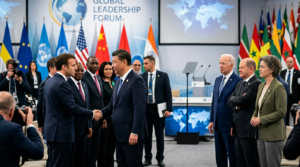
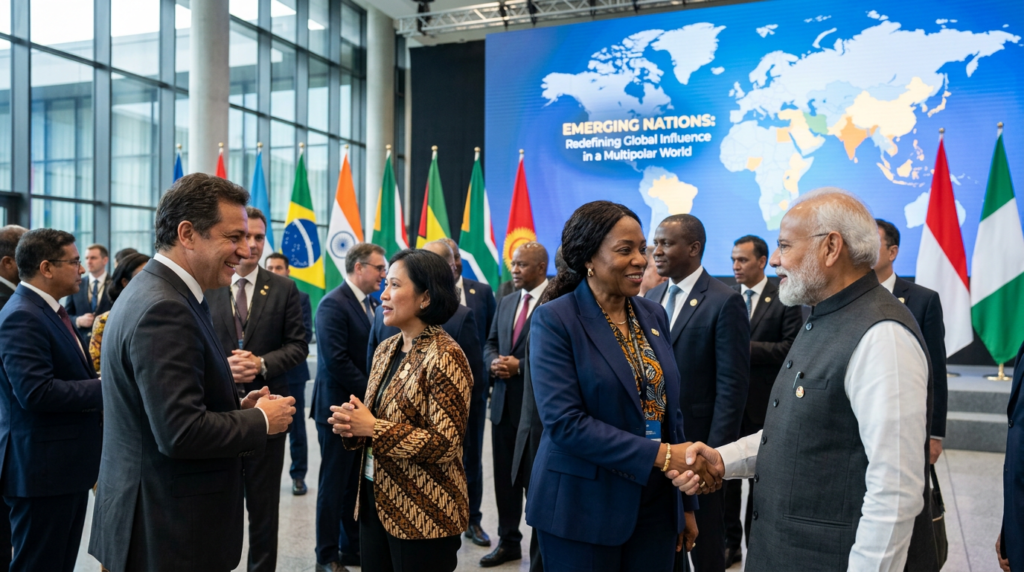

Global politics is undergoing a transformation as emerging nations increase their participation in international decision making. These countries are expanding economic reach, strengthening diplomatic ties, and influencing regional and global policies. The shift from a concentrated power structure to a multipolar world is changing international relations.
A multipolar world refers to a global system where several countries hold influence rather than a single dominant power. Emerging nations contribute to this transition by developing economies, building partnerships, and participating in global institutions. This article explores how emerging nations redefine global influence in multipolar world politics and how these developments shape international relations.
Understanding Multipolar World Politics
Multipolar world politics describes a global system where multiple countries share influence. Power is distributed across regions rather than concentrated in a few states.
Characteristics of multipolar politics include:
Multiple centers of influence
Regional cooperation
Economic partnerships
Diplomatic engagement
Strategic alliances
In a multipolar system, countries cooperate and compete at the same time. This structure creates both opportunities and challenges.
Rise Of Emerging Nations
Emerging nations are countries increasing their economic and political participation in global affairs. These nations often experience economic expansion, industrial growth, and increasing diplomatic engagement.
Factors contributing to the rise of emerging nations include:
Economic development
Population growth
Trade expansion
Resource availability
Infrastructure investment
These factors strengthen national capacity and increase influence.
Economic Growth And Global Influence
Economic growth is a major driver of global influence. Emerging nations expand trade and investment partnerships.
Economic influence includes:
Export growth
Import diversification
Investment projects
Infrastructure development
Economic expansion increases participation in global markets.
Trade Networks And Economic Cooperation
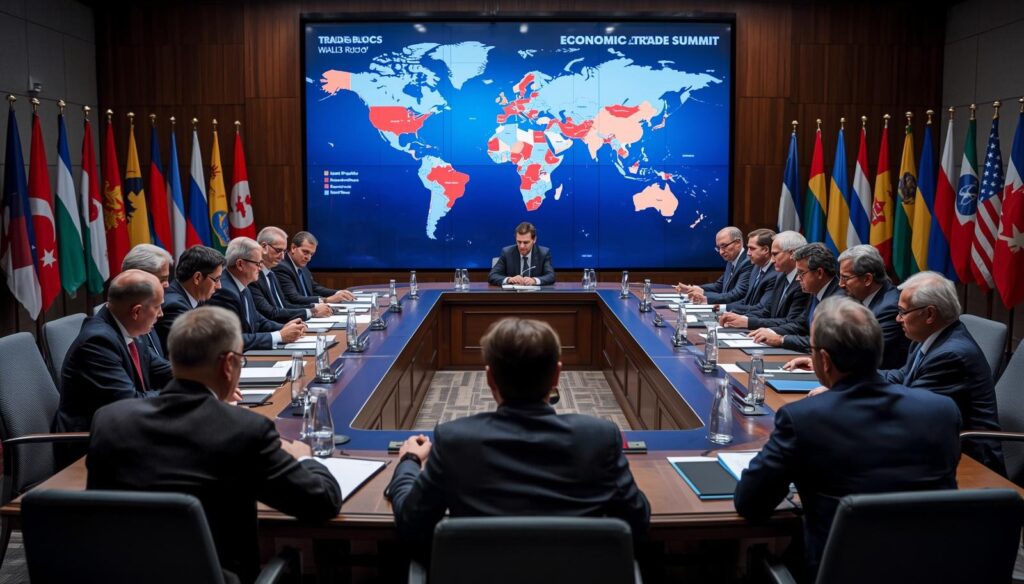
Trade networks connect emerging nations with global markets. These networks support economic growth and diplomatic cooperation.
Trade cooperation includes:
Regional trade agreements
Bilateral partnerships
Multilateral trade systems
Trade expansion strengthens international relationships.
Regional Cooperation And Political Influence
Emerging nations strengthen influence through regional cooperation. Countries form partnerships with neighboring states to address shared goals.
Regional cooperation includes:
Infrastructure projects
Trade partnerships
Security cooperation
Regional alliances contribute to multipolar politics.
Role Of Technology In Emerging Nations
Technology development increases national capability. Emerging nations invest in digital systems and industrial innovation.
Technology sectors include:
Artificial intelligence
Telecommunications
Manufacturing technology
Renewable energy
Technology investment supports economic growth.
Infrastructure Development And Global Connectivity
Infrastructure projects improve connectivity between countries. Emerging nations invest in transportation and energy systems.
Infrastructure includes:
Ports
Rail networks
Energy pipelines
Digital connectivity
Infrastructure strengthens trade and cooperation.
Diplomatic Engagement And Global Participation
Diplomatic engagement increases influence. Emerging nations participate in international organizations and global discussions.
Diplomatic strategies include:
Bilateral agreements
Multilateral forums
Economic diplomacy
Diplomacy strengthens global presence.
Strategic Alliances And Partnerships
Emerging nations form alliances to expand influence. These partnerships focus on economic cooperation and security.
Strategic alliances include:
Trade partnerships
Development cooperation
Technology collaboration
Alliances support multipolar politics.
Financial Cooperation And Investment
Financial cooperation supports economic development. Emerging nations create partnerships for investment.
Financial cooperation includes:
Development banks
Investment funds
Trade financing
Financial systems strengthen economic growth.
Energy Resources And Global Influence
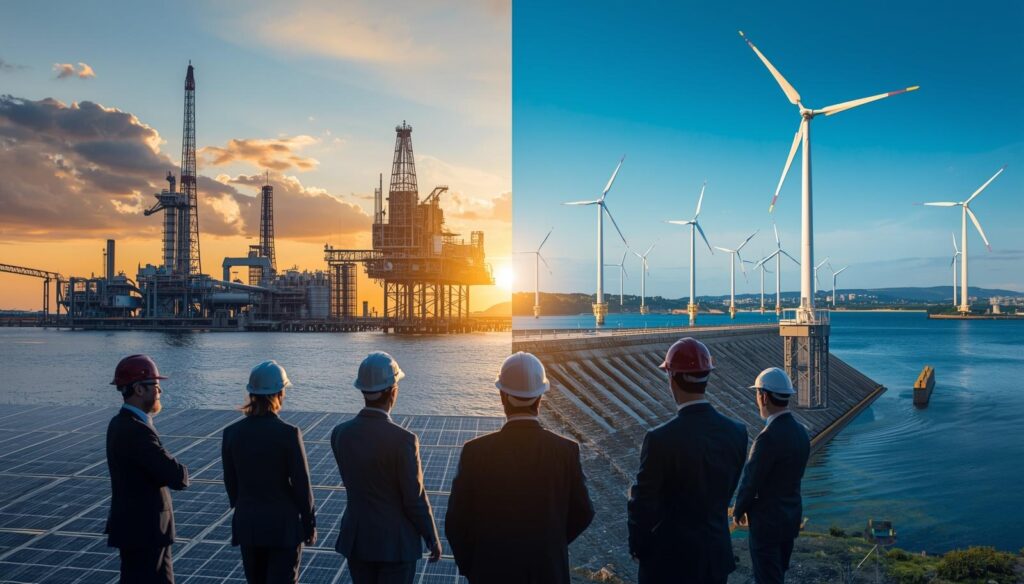
Energy resources influence global relations. Emerging nations invest in energy production and trade.
Energy strategies include:
Renewable energy development
Resource agreements
Energy infrastructure
Energy investment increases influence.
Challenges Facing Emerging Nations
Emerging nations face challenges in expanding influence:
Economic inequality
Infrastructure gaps
Trade competition
Political differences
These challenges affect growth and cooperation.
Role Of International Organizations
International organizations support cooperation between emerging nations and established powers.
Organizations include:
United Nations
World Trade Organization
Regional organizations
Participation increases global representation.
Multipolar World And Global Stability
Multipolar politics influence global stability. Multiple centers of power require cooperation and negotiation.
Benefits of multipolar world include:
Shared responsibility
Increased cooperation
Balanced influence
Challenges include:
Competition
Diplomatic tension
Trade disputes
Countries manage these challenges through dialogue.
Economic Interdependence
Emerging nations participate in global supply chains. Economic interdependence strengthens relationships.
Interdependence includes:
Trade networks
Investment flows
Resource exchange
Economic connections influence diplomacy.
Digital Economy And Emerging Influence
Digital economy supports growth in emerging nations. Technology enables participation in global markets.
Digital economy includes:
Online commerce
Digital infrastructure
Technology services
Digital development increases competitiveness.
Security Cooperation And Regional Stability
Emerging nations cooperate on security issues. These partnerships address shared concerns.
Security cooperation includes:
Regional agreements
Peacekeeping operations
Security coordination
Security cooperation supports stability.
Future Of Multipolar World Politics
Multipolar world politics will continue to evolve. Emerging nations will increase participation in global governance.
Future trends include:
Economic growth
Technology investment
Diplomatic cooperation
These trends shape global influence.
Impact On Global Governance
Emerging nations influence global governance. They participate in decision making and policy development.
Global governance includes:
Climate agreements
Trade rules
Security cooperation
Participation increases representation.
Opportunities In Multipolar World
Multipolar politics create opportunities:
New partnerships
Trade expansion
Technology cooperation
These opportunities shape global relations.