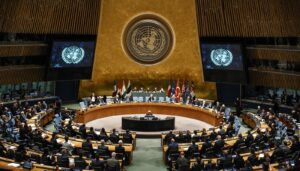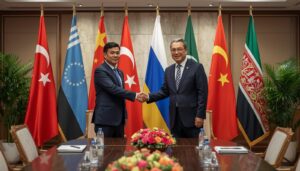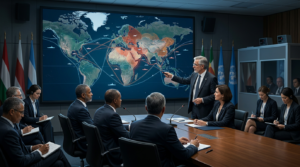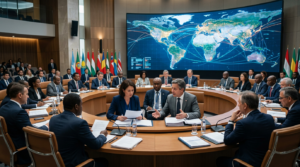
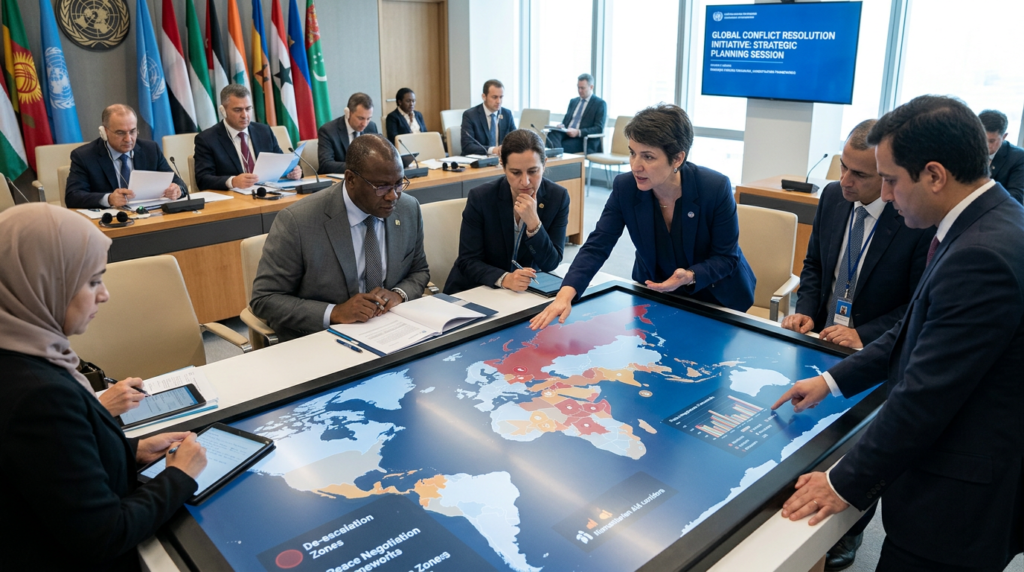

International diplomacy continues to shape peace negotiations across conflict regions worldwide today. Governments, international organizations, and mediators are working to reduce violence, reopen dialogue, and build pathways toward political settlement. These diplomatic efforts involve direct talks, backchannel communication, ceasefire proposals, and humanitarian agreements. In many regions, diplomacy remains the main tool to prevent escalation and create conditions for long-term peace.
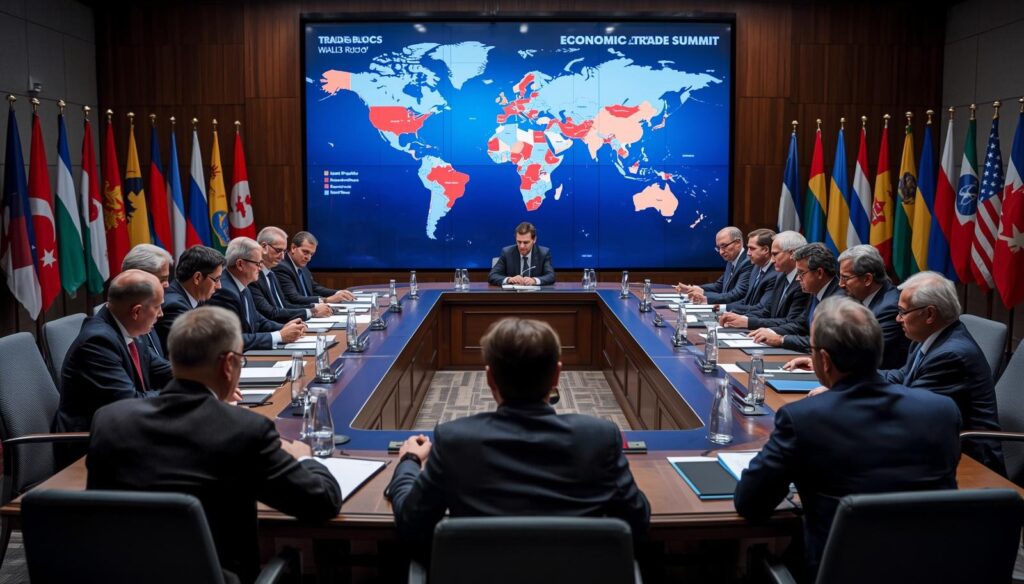
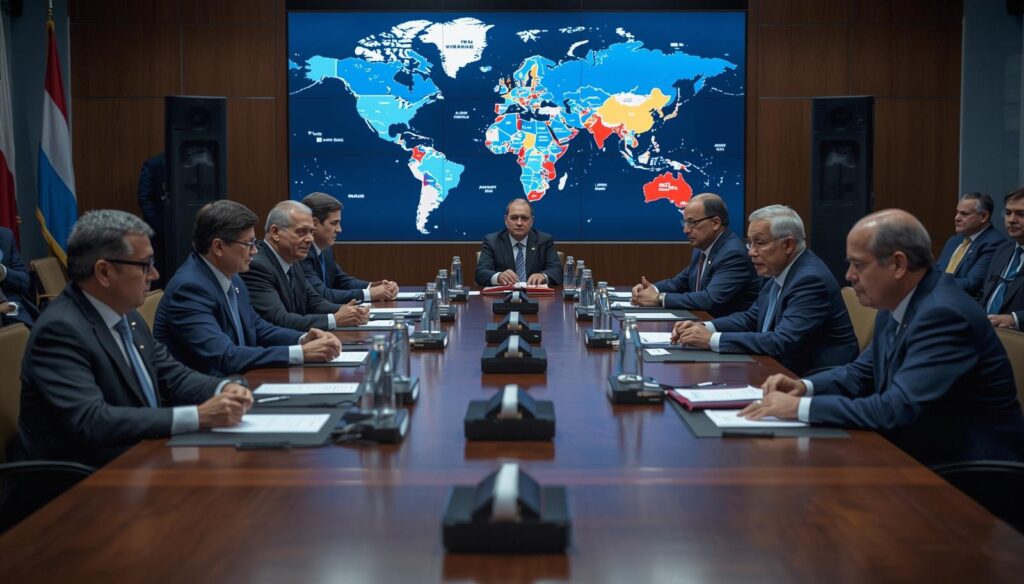
Conflict regions across the globe face challenges that include territorial disputes, political divisions, economic pressure, and security concerns. Diplomacy seeks to address these issues through negotiation rather than confrontation. Leaders and envoys meet in neutral locations, conduct virtual meetings, and coordinate through multilateral institutions. These talks often take place in stages and involve multiple stakeholders with different priorities.
The current landscape of diplomacy reflects urgency. Civilian populations experience disruption to daily life, including limited access to food, energy, and healthcare. Governments and organizations respond by promoting negotiations that aim to stabilize conditions and protect communities. International diplomacy therefore plays a central role in shaping peace efforts across regions.
The Role of International Diplomacy in Peace Negotiations
International diplomacy functions as a bridge between conflicting parties. It provides a structured environment where representatives discuss concerns and propose solutions. Diplomatic negotiations often involve ceasefire agreements, prisoner exchanges, border arrangements, and economic cooperation.
Diplomacy relies on communication channels that remain active even during tension. These channels allow leaders to clarify intentions and avoid misunderstanding. Diplomatic engagement also builds trust over time, which helps parties move toward compromise.
Peace negotiations often require patience. Diplomatic talks may last months or years. Delegations review proposals, adjust positions, and seek common ground. Mediators help guide discussions and maintain focus on achievable outcomes.
Diplomacy also involves multilateral cooperation. Regional organizations and global institutions provide support for negotiations. These entities offer technical expertise, monitoring teams, and logistical assistance. Their involvement helps ensure transparency and accountability.
Peace Negotiations in Europe
Europe continues to witness diplomatic engagement focused on reducing conflict and promoting stability. Governments in the region coordinate through regional institutions and bilateral meetings. Peace negotiations involve discussions on borders, security arrangements, and humanitarian access.
Diplomatic delegations in Europe often include foreign ministers, defense officials, and policy advisors. These representatives meet in capitals and neutral venues. Talks focus on ceasefire mechanisms and de-escalation measures.
Energy supply and economic cooperation also form part of negotiations. Governments seek to ensure stable markets and maintain trade routes. Diplomatic agreements in Europe may influence global supply chains and financial systems.
International mediators support dialogue by facilitating meetings and drafting proposals. Monitoring teams track implementation of agreements. These efforts aim to maintain progress toward peace.
Peace Negotiations in the Middle East
The Middle East remains a region where diplomacy plays a central role in peace efforts. Governments and international organizations engage in talks to address disputes involving borders, governance, and security.
Diplomatic negotiations in the Middle East often involve multiple parties. Regional actors, global powers, and international organizations participate in discussions. These talks address ceasefire arrangements, humanitarian access, and political transition.
Humanitarian concerns remain a key focus. Diplomatic agreements often include provisions for aid delivery and protection of civilians. Negotiators work to ensure safe corridors for relief operations.
Energy resources also influence diplomacy in the region. Governments seek cooperation on production and transport. Diplomatic agreements may stabilize markets and reduce tension.
Backchannel diplomacy plays an important role in Middle East negotiations. Envoys conduct quiet meetings to explore compromise. These discussions often prepare ground for formal talks.
Peace Negotiations in Africa
Diplomatic efforts across Africa aim to resolve conflicts involving governance, resources, and territorial disputes. Regional organizations lead many peace initiatives. These organizations coordinate with global partners and local stakeholders.
Negotiations in Africa often focus on ceasefire agreements and political dialogue. Governments and opposition groups meet under mediation. These talks aim to create frameworks for power sharing and elections.
Humanitarian concerns drive diplomatic engagement. Displacement and access to essential services require urgent attention. Diplomacy supports coordination between governments and aid organizations.
Economic development also features in negotiations. Agreements may include investment plans and infrastructure cooperation. These initiatives aim to address root causes of conflict.
Peacekeeping missions support diplomatic outcomes. Monitoring teams oversee ceasefire implementation and report violations. These measures help sustain progress.
Peace Negotiations in Asia
Asia hosts several diplomatic initiatives aimed at managing disputes and promoting cooperation. Governments engage in talks over borders, maritime claims, and trade relations.
Diplomatic negotiations in Asia involve bilateral meetings and regional forums. Leaders discuss security arrangements and communication channels. These efforts aim to prevent escalation.
Trade and economic cooperation play a role in peace efforts. Governments seek agreements that promote stability and growth. Diplomacy supports these initiatives through negotiation.
Technology and cyber issues also appear in discussions. Governments explore frameworks for responsible conduct. These talks contribute to stability in digital space.
Regional organizations facilitate dialogue and provide platforms for negotiation. Their involvement helps maintain continuity.
Peace Negotiations in Latin America
Latin America continues to witness diplomatic engagement aimed at resolving political and social conflict. Governments and regional institutions promote dialogue between stakeholders.
Negotiations often address governance, electoral processes, and economic reform. Diplomatic mediators support talks and encourage compromise.
Humanitarian cooperation also forms part of diplomacy. Agreements may include support for communities and economic stabilization.
Regional organizations play a role in facilitating dialogue. Their involvement helps build trust and ensure implementation.
The Role of Mediators in International Diplomacy
Mediators serve as neutral facilitators during peace negotiations. They help parties communicate and identify common ground. Mediators may come from international organizations or neutral states.
Their role includes drafting proposals and organizing meetings. Mediators also assist in resolving disputes over language and interpretation.
Trust in mediators remains essential. Parties rely on their neutrality. Successful mediation often leads to progress in negotiations.
Challenges Facing Peace Negotiations
Diplomatic negotiations face challenges that include distrust, domestic pressure, and competing interests. These factors may slow progress.
Historical grievances also influence talks. Parties may hold firm positions based on past events. Diplomacy seeks to address these concerns through dialogue.
Implementation of agreements poses another challenge. Monitoring and verification mechanisms help address this issue.
Economic pressure may affect negotiations. Sanctions and trade restrictions shape positions. Diplomacy attempts to balance these factors.
The Impact of Peace Negotiations on Global Stability
Peace negotiations influence global stability. Reduced conflict supports economic growth and trade. Diplomatic agreements also promote cooperation.
Stability benefits communities and markets. Investors respond to reduced risk. Governments gain space to focus on development.
Diplomacy therefore plays a central role in shaping global relations.
Technology Supporting Diplomacy
Technology supports diplomatic communication and coordination. Virtual meetings allow talks across distance. Secure platforms ensure confidentiality.
Data analysis helps negotiators assess proposals. Technology also supports monitoring of agreements.
Digital diplomacy expands participation and efficiency.
The Role of Humanitarian Diplomacy
Humanitarian diplomacy focuses on protecting civilians and delivering aid. Negotiators work to ensure access for relief operations.
Humanitarian agreements often accompany ceasefire arrangements. These agreements support communities during conflict.
Diplomacy coordinates efforts between governments and organizations.
Future Outlook for Peace Negotiations
International diplomacy will continue to drive peace negotiations. Governments and organizations remain committed to dialogue.
Future talks may address emerging challenges such as cyber conflict and resource competition. Diplomacy will adapt to these issues.
Continued engagement and cooperation remain essential.