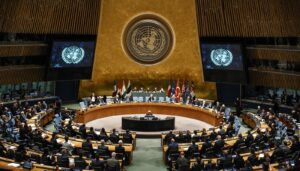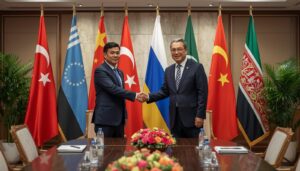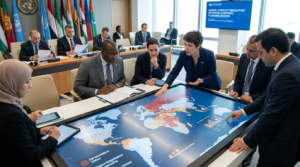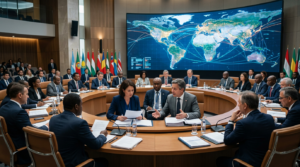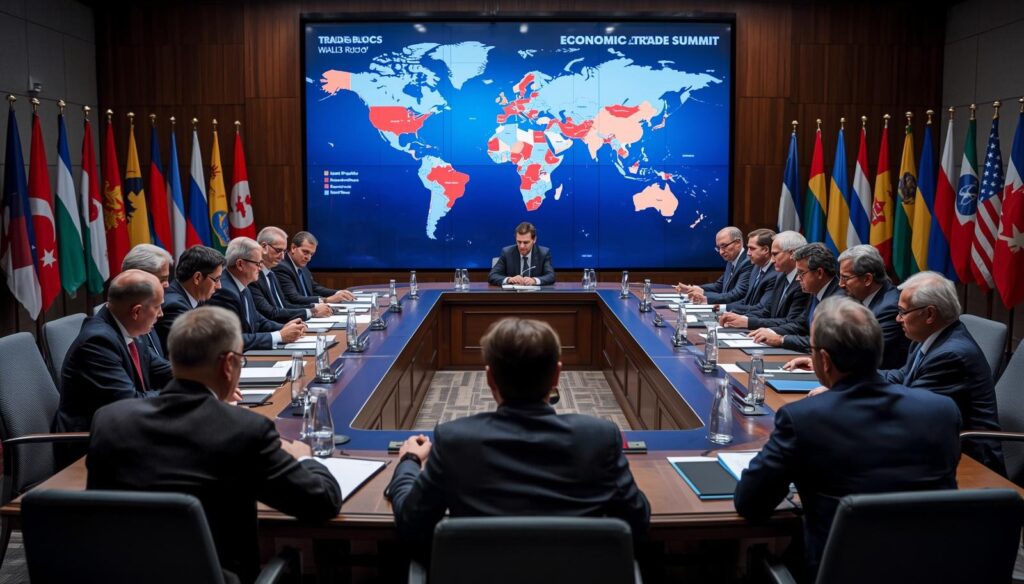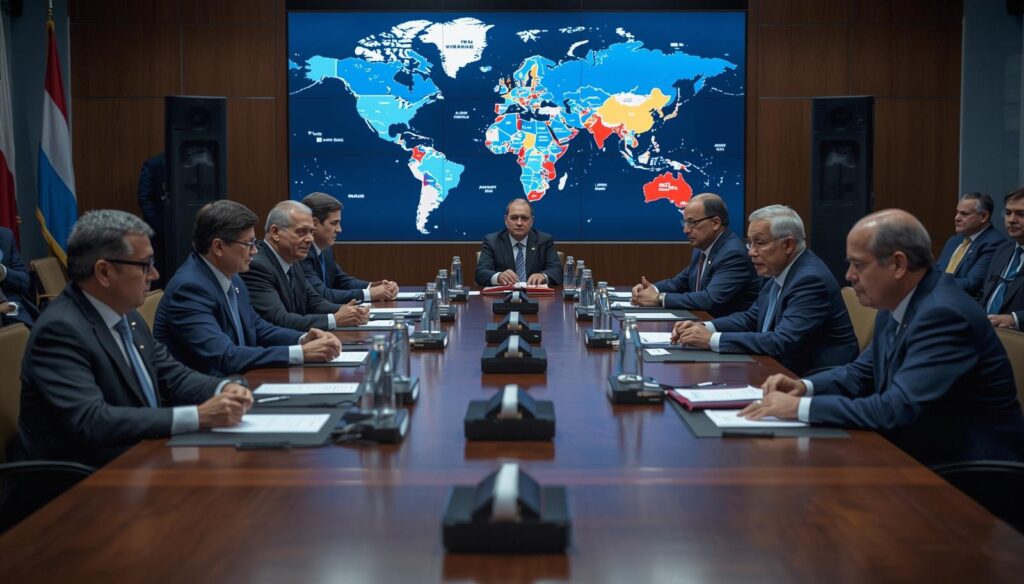

Major powers have entered talks at a moment marked by tension across regions. Leaders, envoys, and policy teams gathered at a venue chosen after weeks of contact through channels that include embassies, backdoor lines, and multilateral forums. The aim of these talks centers on risk reduction, dispute management, and pathways toward stability. Governments involved seek to address friction tied to trade, security, technology, energy, and territorial claims.
The meeting follows months of strain that led to sanctions, countermeasures, and troop movement near disputed zones. Markets reacted with swings, while supply chains faced disruption. Citizens across regions watched statements from capitals, with many seeking clarity about direction and impact on daily life. These talks therefore carry weight beyond statecraft, touching commerce, energy prices, and travel.
Diplomatic engagement during tension often serves as a tool to prevent escalation. History shows that dialogue can reduce miscalculation, open channels for crisis management, and create frameworks for cooperation. The present talks reflect that pattern. Delegations entered the room with briefs, red lines, and proposals. Each side seeks gains while avoiding loss of leverage.
Background To The Talks
The lead-up to these talks began after a series of incidents. Naval patrols near contested waters led to encounters between vessels. Air defense zones saw aircraft from rival states. Statements from defense ministries followed, raising concern among observers. At the same time, trade restrictions emerged, affecting exports of chips, energy resources, and raw materials.
Another factor includes disputes over infrastructure routes. Ports, rail corridors, and pipelines became points of debate. Some states view these routes as lifelines for growth. Others see them as sources of leverage. This divergence increased tension.
Diplomatic contact did not stop during this period. Foreign ministers held calls. Envoys met in neutral capitals. Multilateral bodies hosted sessions. These steps helped prepare ground for the present talks. Negotiators agreed on an agenda that covers risk management, trade rules, and communication channels.
Participants And Representation
Delegations include officials from ministries of foreign affairs, defense, commerce, and energy. Some leaders joined at the opening session, while working groups handled details. Advisors from legal teams and economic councils supported delegates with data and policy options.
Observers from regional organizations attended parts of the meeting. Their role involves facilitation and record keeping. Some states outside the core group also sent envoys, hoping to shape outcomes that affect their interests.
The venue chosen for talks offers privacy and security. Sessions occur in closed rooms, while press briefings take place at set times. This structure allows frank exchange without pressure from media cycles.
Agenda Of The Talks
The agenda includes several areas:
Security risk management
Trade and sanctions
Technology access
Energy supply
Territorial disputes
Crisis communication
Delegations agreed to address these areas in phases. Each phase includes presentations, discussion, and draft text. Negotiators aim to produce joint statements where possible.
Security Risk Management
Security stands at the center of tension. Troop presence near borders and naval patrols raised concern. Delegates discussed rules of engagement, notification of exercises, and hotline mechanisms. These measures aim to reduce chance of incident.
One proposal calls for advance notice before drills. Another suggests zones where patrols remain limited. Negotiators debated scope and enforcement. Some states seek binding commitments, while others prefer voluntary steps.
Risk management also includes cyber incidents. Reports of intrusion into networks added another layer of tension. Delegates explored norms that restrict targeting of infrastructure such as power grids and hospitals. Experts from technology agencies joined sessions to provide input.
Trade And Sanctions
Trade disputes formed another pillar of talks. Tariffs and export controls created friction. Businesses reported delays and cost increases. Delegations discussed pathways toward easing restrictions.
Some states proposed phased rollback tied to compliance. Others requested review panels to assess impact. Negotiators examined sectors such as agriculture, manufacturing, and technology. Each sector carries stakes for employment and growth.
Currency and payment systems also entered discussion. Restrictions on banks led to shifts in trade settlement. Delegates explored alternatives that allow commerce while addressing security concerns.
Technology Access
Technology competition has intensified in recent years. Controls on chips, software, and research collaboration fueled tension. Delegates debated frameworks for technology exchange. Proposals included licensing systems and joint research projects.
Some states argued that restrictions hamper innovation. Others cited security risk. Negotiators sought balance through safeguards. Academic institutions and industry groups provided feedback during side meetings.
Energy Supply
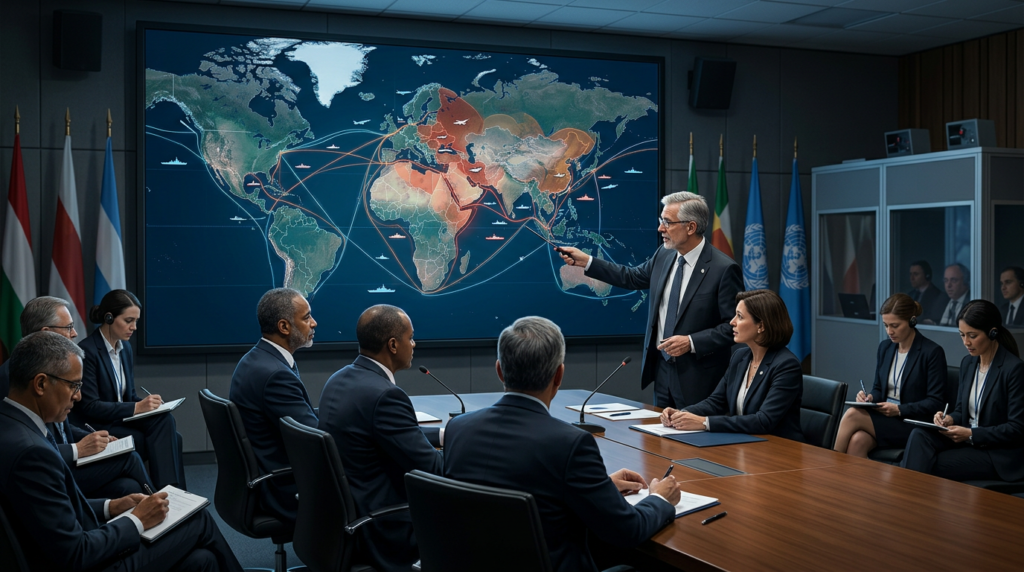
Energy supply plays a role in relations among major powers. Dependence on imports can shape policy choices. Disruption in supply affects industry and households. Delegations examined routes for oil, gas, and renewables.
One proposal involves shared reserves. Another suggests coordination during shortage. Negotiators also discussed investment in infrastructure such as pipelines and grids. These discussions aim to prevent shock to markets.
Territorial Disputes
Territorial disputes remain a source of tension. Claims over islands, borders, and maritime zones fuel confrontation. Delegates reviewed maps and legal arguments. International law formed a reference point during debate.
Confidence-building measures received attention. Proposals included joint patrols and resource sharing. Negotiators weighed benefits against risk of misinterpretation. Progress in this area may reduce friction.
Crisis Communication
Communication channels help manage crises. Delegates discussed hotlines between leaders and defense officials. Past incidents showed delay in contact can escalate tension. Negotiators agreed to test systems and hold drills.
Transparency also formed part of communication plans. Regular briefings and exchange of information may build trust. Delegations debated scope of disclosure.
Negotiation Dynamics
Talks unfolded in rounds. Each round included plenary sessions and breakout groups. Delegates exchanged draft text. Edits reflected compromise and resistance. Some issues moved forward, while others stalled.
Breaks allowed side meetings. These sessions often lead to progress. Envoys used these moments to clarify positions. Diplomacy often relies on such exchanges.
Time pressure also shaped talks. Schedules set deadlines for draft statements. Delegates worked into late hours. Staff prepared revisions. Negotiators aimed to reach consensus before closing session.
Reactions From Capitals
Statements from capitals reflected cautious tone. Officials welcomed dialogue but emphasized national interest. Some leaders expressed hope for progress. Others warned that talks must yield tangible outcomes.
Markets responded to news from venue. Currency and commodity prices moved with each update. Analysts tracked signals from negotiators. Businesses sought clarity for planning.
Public opinion varied across regions. Some citizens supported engagement. Others questioned concessions. Media coverage highlighted debate within each state.
Role Of Multilateral Bodies
Multilateral bodies played a supporting role. These organizations offered platforms for dialogue. They also provided technical expertise. Observers from these bodies helped record proceedings.
International law and norms guided parts of discussion. Delegates referred to agreements and treaties. These references shaped proposals.
Economic Implications
Economic impact of talks extends across sectors. Trade flows depend on outcome. Investment decisions hinge on stability. Supply chains respond to policy shifts.
Industries such as energy, technology, and agriculture face stakes. Negotiators considered these sectors during talks. Business groups submitted recommendations. Governments balanced domestic priorities with external relations.
Security Implications
Security outcomes from talks may influence troop deployment and defense planning. Confidence-building measures could reduce risk. Lack of progress may sustain tension. Defense ministries monitored developments.
Regional stability depends on communication and restraint. Talks aim to prevent escalation. Military planners await guidance from political leaders.
Challenges During Talks
Negotiations faced obstacles. Differences in interpretation of law created friction. Domestic pressure limited flexibility. Historical grievances also shaped positions.
Trust deficit posed another challenge. Past agreements that fell short influenced expectations. Delegates sought verification mechanisms to address concern.
Time constraint added pressure. Complex issues require detail. Negotiators worked to bridge gaps.
Possible Outcomes
Talks may produce several outcomes:
Joint statement outlining principles
Framework for continued negotiation
Confidence-building measures
Partial agreement on trade or security
No agreement but continued dialogue
Each outcome carries implications. Even limited progress may reduce tension. Failure may lead to further strain.
Impact On Smaller States
Smaller states watch talks with interest. Decisions by major powers affect trade routes and alliances. Some states rely on stability for growth. Others fear marginalization.
Delegations from smaller states engaged with participants during side meetings. Their input may shape implementation.
Media And Information Flow
Media coverage influenced perception of talks. Press briefings provided updates. Analysts interpreted signals. Rumors also circulated, adding complexity.
Delegations managed communication to avoid misinterpretation. Transparency balanced with confidentiality.
Historical Context
Diplomatic talks during tension have precedent. Past summits led to arms control agreements, trade deals, and crisis management frameworks. These examples guide negotiators.
Lessons from history include value of patience and incremental progress. Talks rarely resolve all disputes at once. They often establish process.
Technology And Diplomacy
Digital tools supported negotiations. Secure communication allowed coordination with capitals. Data analysis informed proposals. Technology also introduced risk of leaks, requiring safeguards.
Public Diplomacy
Public diplomacy shaped environment of talks. Leaders issued statements aimed at domestic audiences. Cultural exchange and dialogue programs also play role in long term relations.
Next Steps
Delegations plan follow-up meetings. Working groups may continue drafting text. Leaders may hold summit if progress emerges. Implementation mechanisms require planning.
Monitoring and review form part of next steps. Regular assessment ensures compliance. Negotiators discussed timelines.