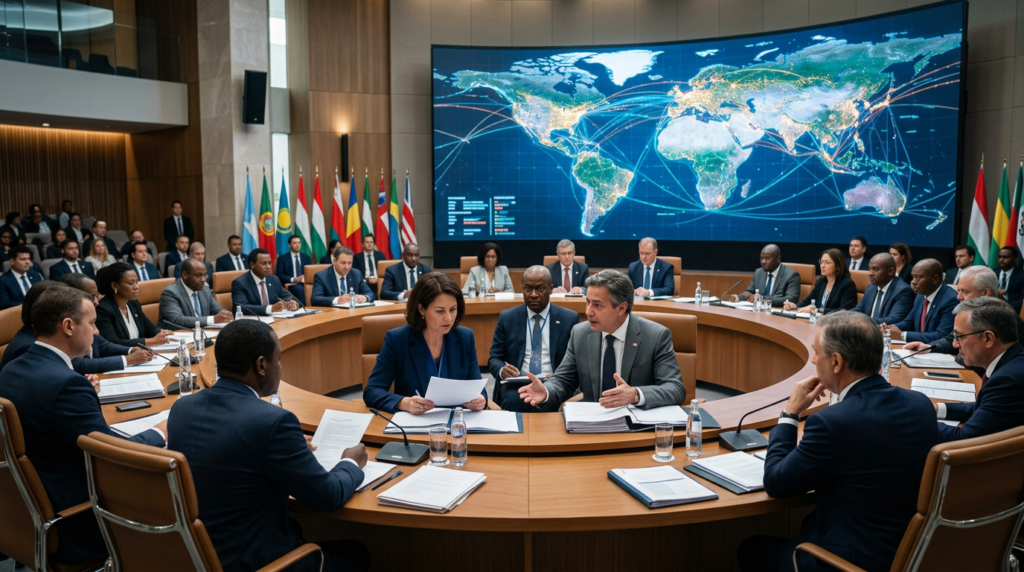

Global diplomacy plays a central role in shaping international relations. Countries use diplomacy to build alliances, resolve disputes, and promote cooperation. These efforts influence trade, security, economic development, and global governance. As global challenges increase, diplomacy becomes more important in maintaining stability.
Diplomatic engagement has evolved with changes in political and economic conditions. Nations now focus on multilateral cooperation, regional partnerships, and shared policy development. These changes reshape alliances and influence global cooperation.
This article explores how global diplomacy efforts reshape alliances and international cooperation worldwide today. It examines diplomatic strategies, emerging partnerships, and future trends in global relations.
Understanding Global Diplomacy
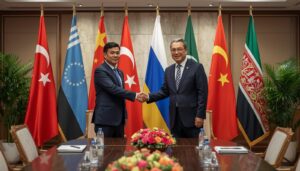
Global diplomacy refers to communication and negotiation between countries. Governments use diplomacy to protect interests and maintain cooperation.
Diplomacy includes:
Bilateral negotiations
Multilateral meetings
Trade agreements
Security cooperation
Cultural exchanges
Diplomacy helps prevent conflict and strengthen relationships.
Role Of Diplomacy In International Relations
Diplomacy influences global relations in several ways:
Promoting dialogue between nations
Resolving disputes
Strengthening alliances
Encouraging economic cooperation
Supporting global governance
Diplomatic efforts help countries manage shared challenges.
Evolution Of Global Diplomacy
Diplomacy has evolved from bilateral negotiations to multilateral cooperation. Countries now participate in global forums and regional organizations.
Changes in diplomacy include:
Increased multilateral engagement
Regional cooperation
Digital communication
Economic diplomacy
These developments reshape international cooperation.
Strategic Alliances Through Diplomacy
Diplomacy leads to strategic alliances. Countries form partnerships to achieve shared goals.
Strategic alliances include:
Trade agreements
Security cooperation
Technology partnerships
Infrastructure development
Diplomatic negotiation strengthens these alliances.
Regional Diplomacy And Cooperation
Regional diplomacy strengthens cooperation among neighboring countries. Regional organizations coordinate policies and development efforts.
Regional diplomacy includes:
Trade partnerships
Security cooperation
Infrastructure planning
Regional alliances influence global relations.
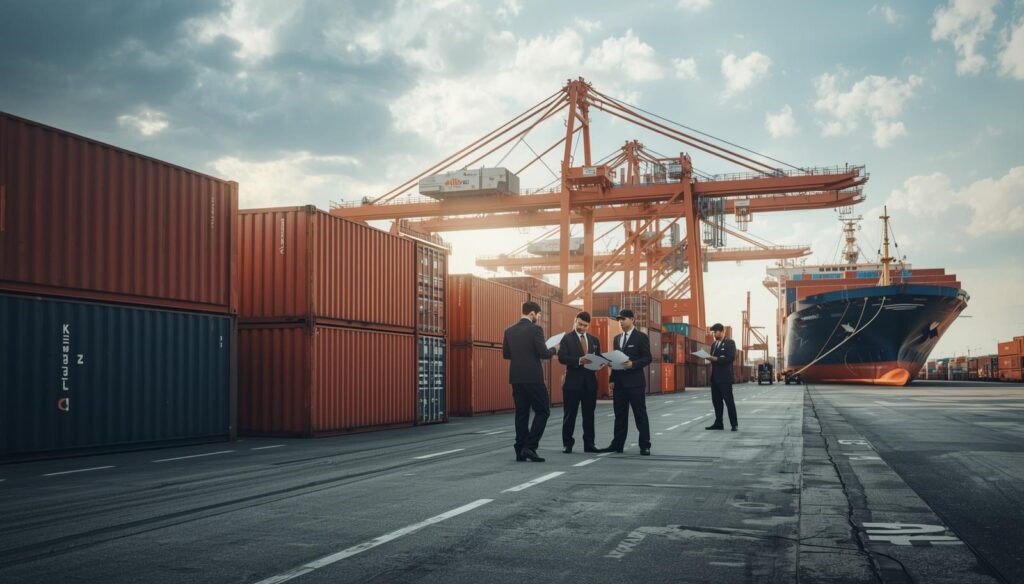
Economic Diplomacy And Trade Agreements
Economic diplomacy focuses on trade and investment. Countries negotiate agreements to increase economic cooperation.
Economic diplomacy includes:
Bilateral trade agreements
Multilateral trade systems
Investment partnerships
Trade cooperation strengthens diplomatic ties.
Security Cooperation Through Diplomacy
Diplomacy plays a role in security cooperation. Countries negotiate agreements to address shared threats.
Security diplomacy includes:
Defense agreements
Intelligence sharing
Joint exercises
Security cooperation supports stability.
Technology Cooperation And Diplomatic Engagement
Technology cooperation is part of diplomacy. Countries collaborate in research and innovation.
Technology diplomacy includes:
Digital infrastructure
Research partnerships
Innovation funding
Technology cooperation strengthens global relations.
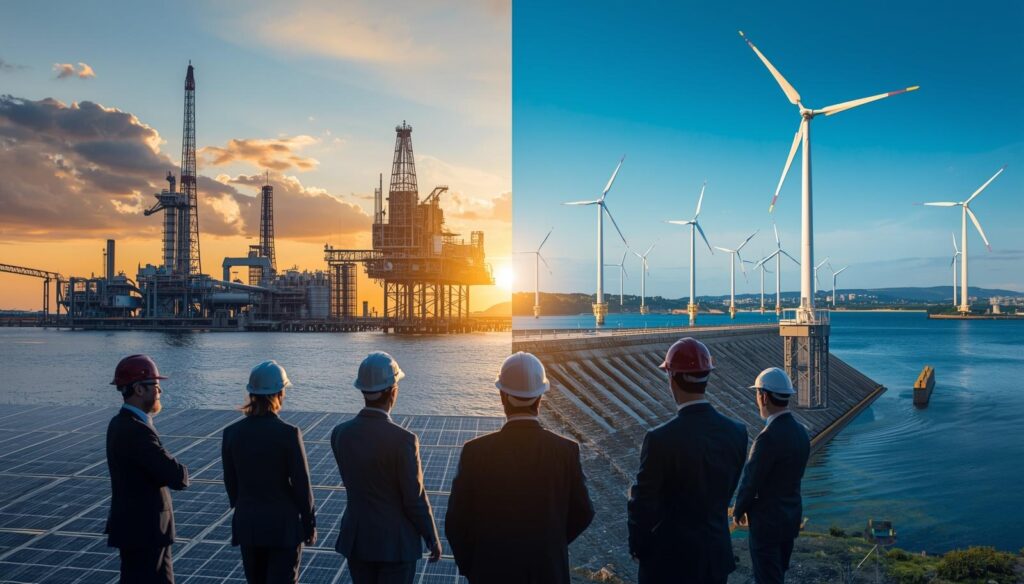
Energy Diplomacy And Resource Cooperation
Energy resources influence diplomacy. Countries negotiate energy agreements and infrastructure development.
Energy diplomacy includes:
Oil and gas partnerships
Renewable energy cooperation
Energy trade agreements
Energy cooperation shapes alliances.
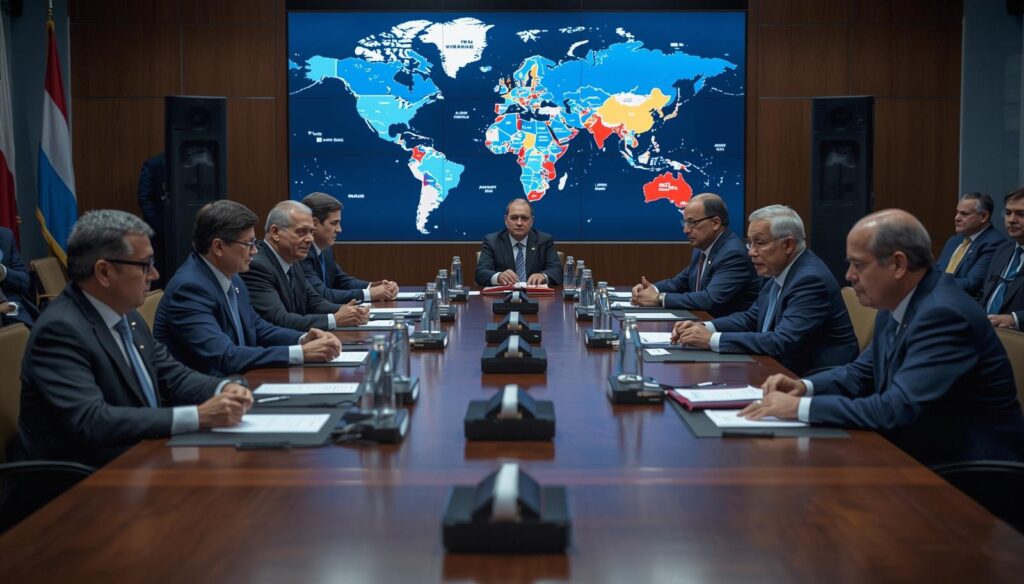
Role Of International Organizations
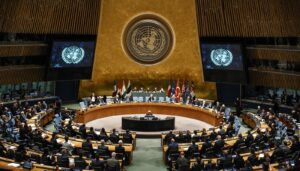
International organizations support diplomatic engagement. They provide platforms for negotiation and cooperation.
Organizations include:
United Nations
World Trade Organization
Regional institutions
These organizations strengthen global cooperation.
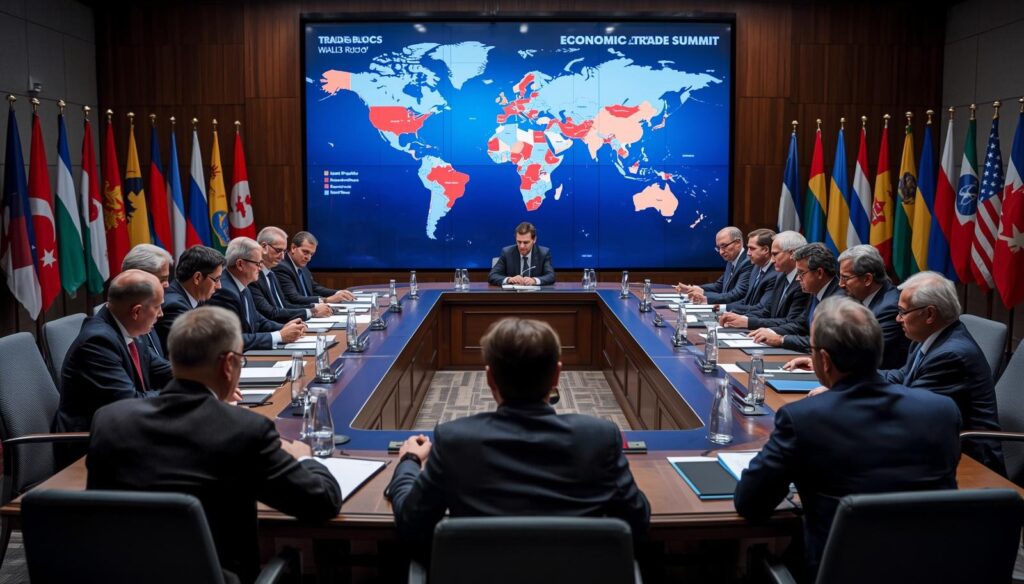
Multilateral Diplomacy
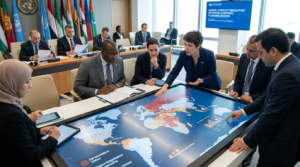
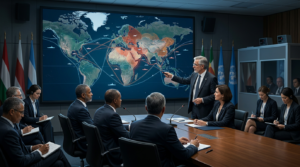
Multilateral diplomacy involves multiple countries working together. This approach addresses global challenges.
Multilateral cooperation includes:
Climate agreements
Health coordination
Economic stability
Multilateral diplomacy increases participation.
Diplomatic Negotiations And Conflict Resolution
Diplomacy helps resolve conflicts. Countries negotiate agreements to reduce tensions.
Conflict resolution includes:
Mediation
Peace agreements
Diplomatic talks
Diplomacy supports stability.
Emerging Nations And Diplomatic Influence
Emerging nations increase diplomatic participation. These countries form partnerships and contribute to global governance.
Emerging nations engage in:
Trade agreements
Infrastructure development
Regional cooperation
Their participation reshapes alliances.
Economic Interdependence And Diplomacy
Economic interdependence encourages cooperation. Countries rely on trade and investment.
Interdependence includes:
Supply chains
Trade networks
Investment flows
Economic connections support diplomacy.
Digital Diplomacy
Digital communication changes diplomacy. Governments use digital platforms for engagement.
Digital diplomacy includes:
Virtual meetings
Online negotiations
Digital communication
Technology improves diplomatic efficiency.
Global Challenges And Diplomatic Cooperation
Global challenges require diplomatic cooperation. Countries work together to address shared concerns.
Challenges include:
Climate issues
Economic instability
Health crises
Diplomacy supports joint solutions.
Diplomatic Alliances And Global Stability
Diplomatic alliances contribute to stability. Countries cooperate to manage risks and promote development.
Diplomatic alliances include:
Regional partnerships
Economic cooperation
Security agreements
These alliances shape global relations.
Future Of Global Diplomacy
Global diplomacy will continue to evolve. Countries will expand cooperation and partnerships.
Future trends include:
Increased multilateral engagement
Technology-driven diplomacy
Regional cooperation
These trends influence global alliances.
Impact On International Cooperation
Diplomacy reshapes cooperation by:
Strengthening partnerships
Expanding trade
Supporting security coordination
International cooperation grows through diplomacy.