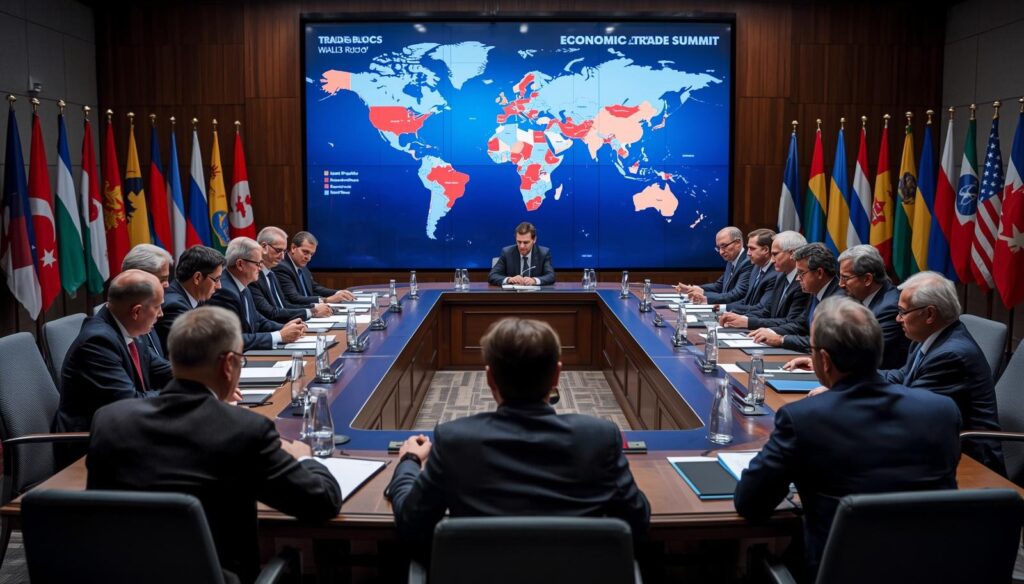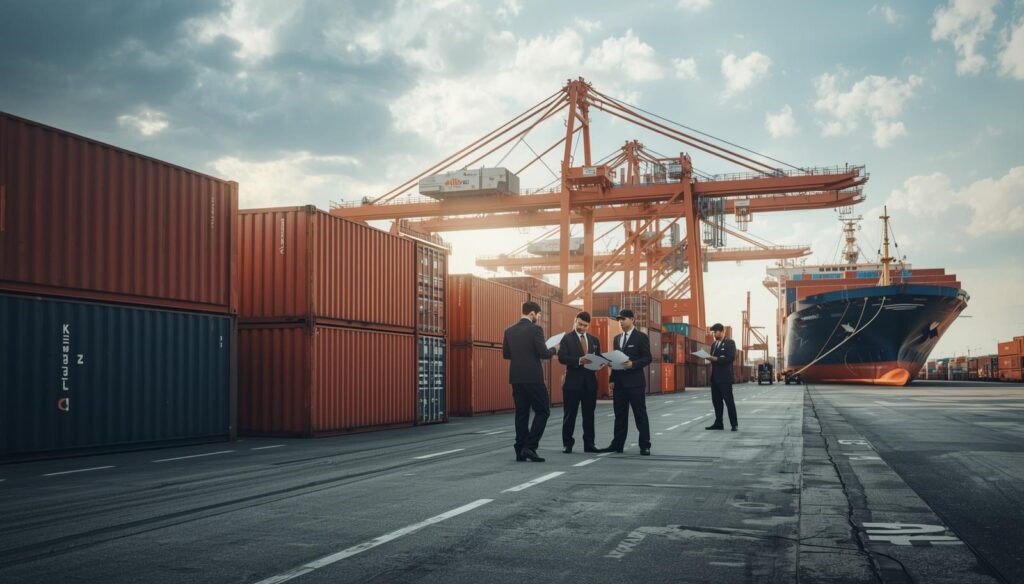

Global economic politics continues to shape trade policies and international markets today. Governments across regions are adjusting trade frameworks, investment rules, and financial cooperation to respond to shifting global conditions. Political decisions influence tariffs, supply chains, and market access. These developments affect industries, businesses, and consumers worldwide.
Economic politics involves interactions between governments, institutions, and markets. Trade negotiations, economic alliances, and regulatory changes play a role in shaping global commerce. Countries pursue national interests while engaging in cooperation. This balance influences economic growth and market stability.
Global markets respond to policy decisions made by governments. Trade agreements, sanctions, and economic reforms impact flows of goods and services. Businesses adapt to these changes. Investors monitor developments and adjust strategies.
This article explores how global economic politics shapes trade policies and international markets today. It examines regional developments, trade negotiations, economic competition, and future outlook.
Understanding Global Economic Politics
Global economic politics refers to policy decisions that influence trade, investment, and financial systems. Governments set rules that determine market access and economic cooperation. These policies affect global commerce.
Trade agreements form a major part of economic politics. Governments negotiate terms that govern tariffs, quotas, and standards. These agreements influence industries and supply chains.
Economic alliances also shape policy decisions. Countries collaborate to promote trade and investment. These partnerships create regional markets.
Sanctions and restrictions form another aspect. Governments use economic tools to influence relations. These measures affect markets and diplomacy.
Economic politics also includes financial regulation. Governments coordinate policies to maintain stability.
Trade Policies and Market Access
Trade policies determine how goods and services move between countries. Governments set tariffs and regulatory standards. These rules influence market access.
Trade liberalization encourages exchange. Governments reduce barriers to promote commerce. These policies support growth.
Protection measures also shape trade policies. Governments seek to protect domestic industries. These measures influence competition.
Trade negotiations aim to balance interests. Governments engage in dialogue to reach agreements.
Market access also depends on logistics and infrastructure. Governments invest in transport networks.
Regional Economic Politics in Asia
Asia plays a central role in global trade. Governments in the region negotiate agreements and strengthen partnerships. Economic politics influence supply chains.
Manufacturing and technology sectors drive trade in Asia. Governments promote cooperation to support growth.
Regional organizations facilitate trade negotiations. Countries coordinate policies.
Investment flows within Asia continue to grow. Governments encourage collaboration.
Economic politics in Asia influence global markets.
Economic Politics in Europe
Europe remains an important player in global economic politics. Governments coordinate policies through regional institutions. Trade agreements influence markets.
Energy policy also shapes economic decisions. Governments negotiate supply arrangements.
Financial markets in Europe respond to policy changes. Investors monitor developments.
Economic cooperation supports stability. Governments pursue dialogue.
Economic Politics in North America
North America influences global trade policies. Governments negotiate agreements and coordinate economic frameworks.
Trade partnerships shape supply chains. Industries rely on cross-border cooperation.
Technology and innovation sectors drive economic politics. Governments invest in research and development.
Financial markets respond to policy decisions. Economic cooperation supports growth.
Economic Politics in the Middle East
The Middle East plays a role in global energy markets. Governments negotiate trade and investment agreements.
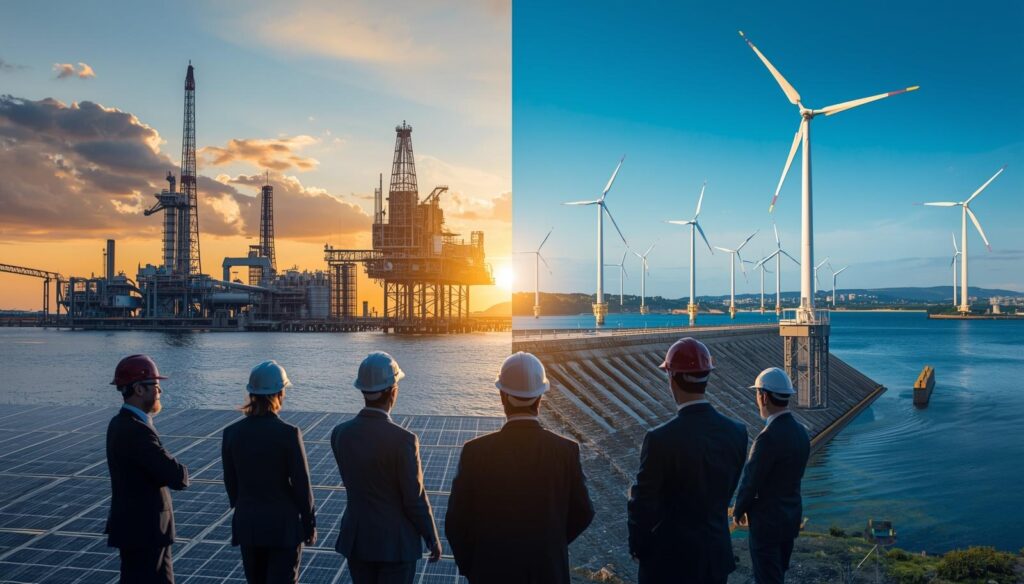
Energy policy influences economic politics. Countries coordinate supply and investment.
Infrastructure development supports trade. Governments invest in logistics.
Economic partnerships shape regional markets.
Economic Politics in Africa
Africa continues to expand its role in global trade. Governments pursue regional integration and trade agreements.
Resource production influences economic politics. Countries negotiate partnerships.
Infrastructure investment supports trade. Governments coordinate development.
Economic cooperation promotes growth.
Economic Politics in Latin America
Latin America engages in trade negotiations and economic reforms. Governments seek market access and investment.
Agriculture and resource sectors influence trade policies. Countries negotiate agreements.
Regional organizations facilitate cooperation. Governments coordinate policies.
Economic politics shape regional markets.
Role of International Organizations
International organizations support global economic politics. These institutions facilitate negotiations and coordination.
Trade bodies set rules for commerce. Governments participate in discussions.
Financial institutions provide support and guidance. Economic cooperation improves stability.
International organizations monitor market developments.
Supply Chains and Economic Politics
Supply chains depend on stable trade policies. Governments adjust rules to manage risk. Businesses adapt to changes.
Diversification becomes important. Companies seek alternative suppliers.
Technology supports supply chain management. Digital platforms improve coordination.
Economic politics influence logistics and transport.
Investment and Economic Cooperation
Investment flows shape international markets. Governments promote foreign investment. Diplomatic relations influence decisions.
Public-private partnerships support development. Governments collaborate with businesses.
Investment agreements include protection measures. These policies encourage growth.
Economic cooperation strengthens partnerships.
Technology and Trade Policies
Technology influences trade policies. Governments negotiate rules for digital commerce. These agreements support innovation.
Cybersecurity also plays a role. Governments coordinate protection measures.
Digital platforms expand global trade. Economic politics shape regulation.
Technology investment supports growth.
Challenges in Global Economic Politics
Global economic politics faces challenges. Policy differences may slow negotiations. Governments work to resolve issues.
Trade imbalances create tension. Diplomacy addresses concerns.
Economic competition influences cooperation. Governments balance interests.
Supply chain disruptions affect markets. Businesses adapt.
Future Outlook
Global economic politics will continue shaping trade policies and markets. Governments will pursue cooperation and negotiation.
Technology and innovation will influence trade. Supply chains will evolve.
Regional partnerships will expand. Economic cooperation will remain central.